The best-laid schemes of guerrilla gardeners

While I was out of town, my community garden compatriot Ann McGuire kindly offered to check in on the little garden I had adopted and tended at a busy Toronto street corner.

Ann dropped by to water and check on the mix of existing perennials declaring themselves, as well as the new pots of geraniums I had added during my spring guerrilla garden mission.

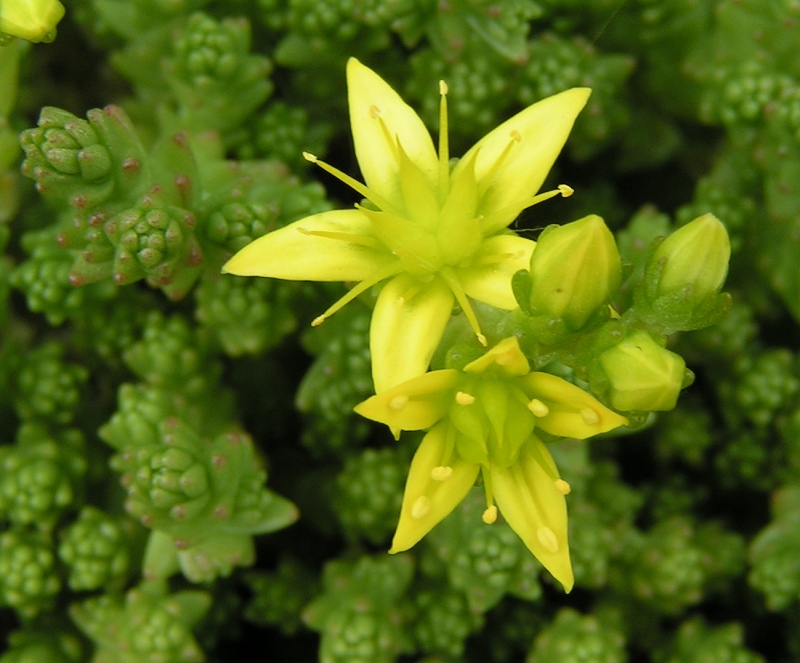
The garden was coming into peak form — “filling in and looking summery,” as Ann put it. She identified a couple of perennials that were putting on a show — like the succulent sedum, with its touch-of-pink blooms, and two-toned phlox, vivid against the dark green of an ornamental conifer.
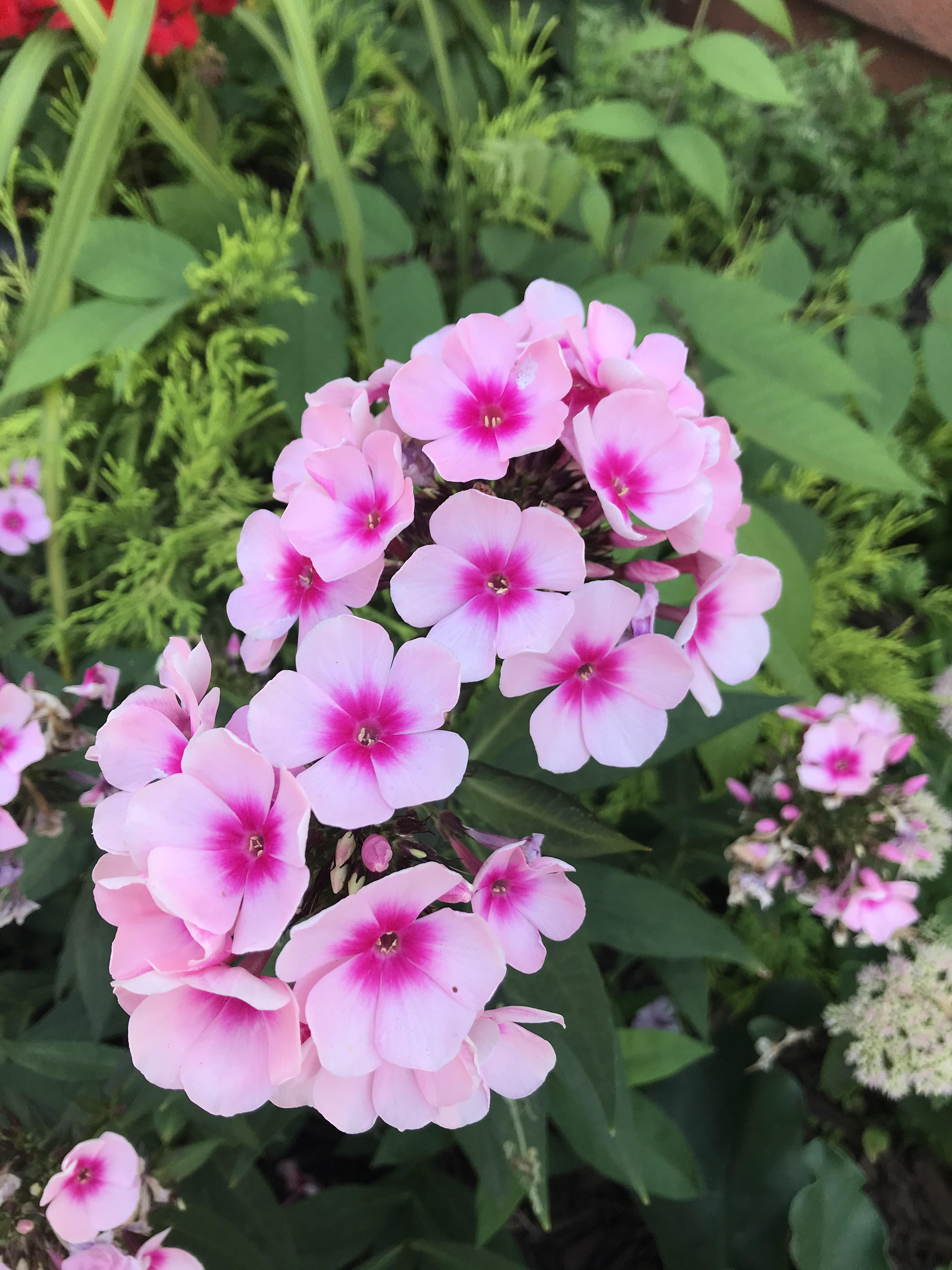
Phlox

The site of the adopted garden is on the grounds of a local church that runs a weekly food bank program in this neighborhood. I decided to spill the beans to the church pastor. A few days later, Pastor Jim replied to my email:

“Thank you for your kindness and helpfulness in caring for our garden. I noticed that someone had beautified it! It has been a challenging time for a lot of people, and our food bank does keep us occupied.” The Pastor agreed to chat more later about the role of the food bank in this east end community.
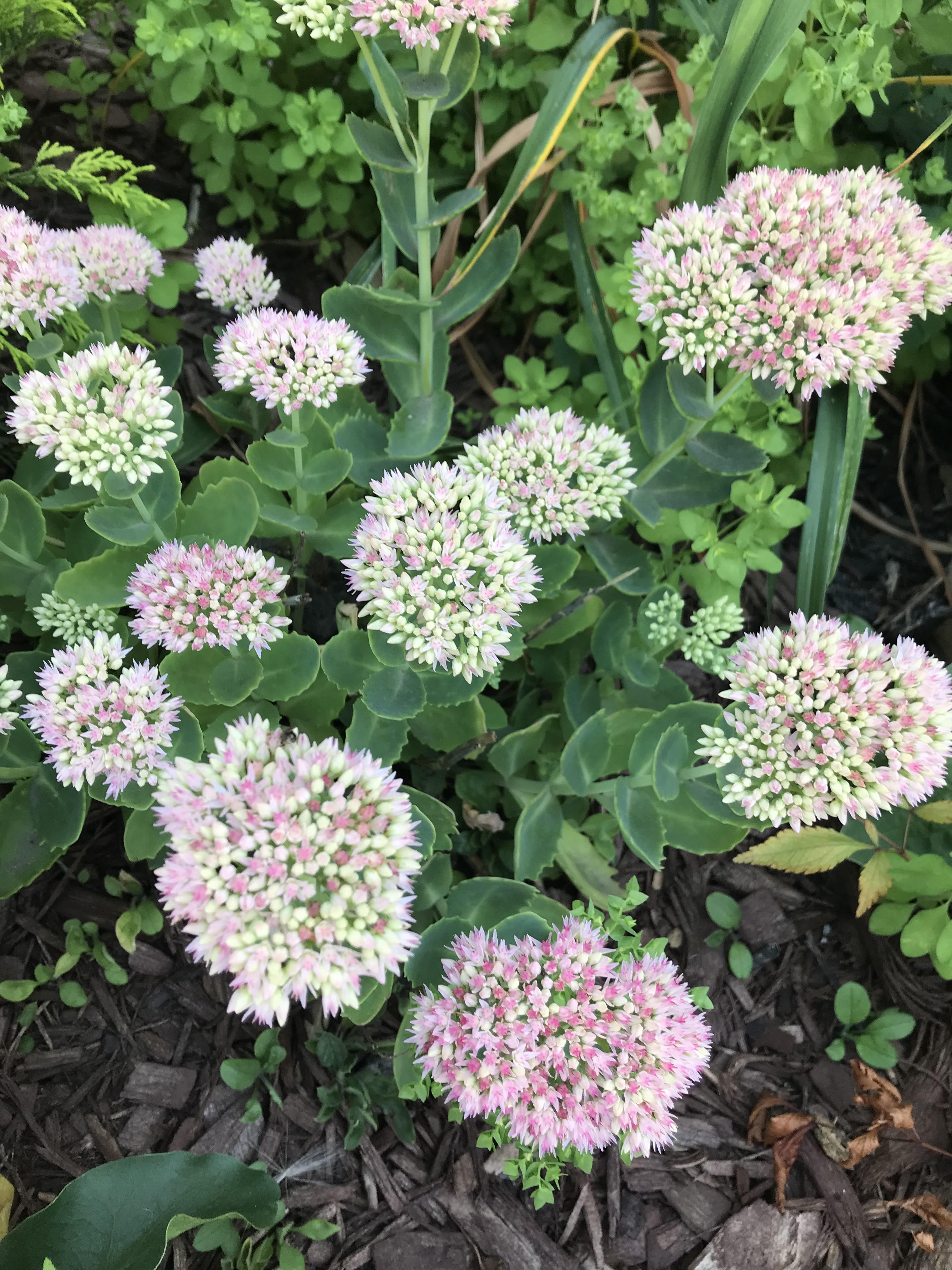
Sedum

Meanwhile, back-up guerrilla gardener Ann, a retired teacher and volunteer at the Toronto Botanical Garden, went down with a gardening injury. A misstep at her community garden plot resulted in some tendon damage. Ann soldiered on with her community garden plus watering trips to the guerrilla garden, while getting physio for her ankle. On a visit back to the big city, I swooped in to do some weeding to help out.

Ann quoted poet Robbie Burns’ line: “The best-laid schemes o’ mice and men gang aft agley.” Indeed, our best gardening intentions can often go awry, but we will find a way.

By August 2021, the bulk of work has already been done to improve the guerrilla garden. The injured Ann drove by to check on the site at Pape and Cosburn Avenues and reported that: “the garden looks quite full, lots of colour, small shrubs creeping and crawling into the empty spaces.” Mother nature also cooperated, with some rain through late summer.

The garden adjoins a busy bus stop and bright red public bench, where many local residents can take a load off in the hot summer.

The guerrilla garden will get more attention come this fall. Robbie Burns’ “Ode to a mouse” rings true — gardening plans often go sideways, and every which way, instead of straight ahead. But we will forge on.

Thanks Ann for the teamwork!
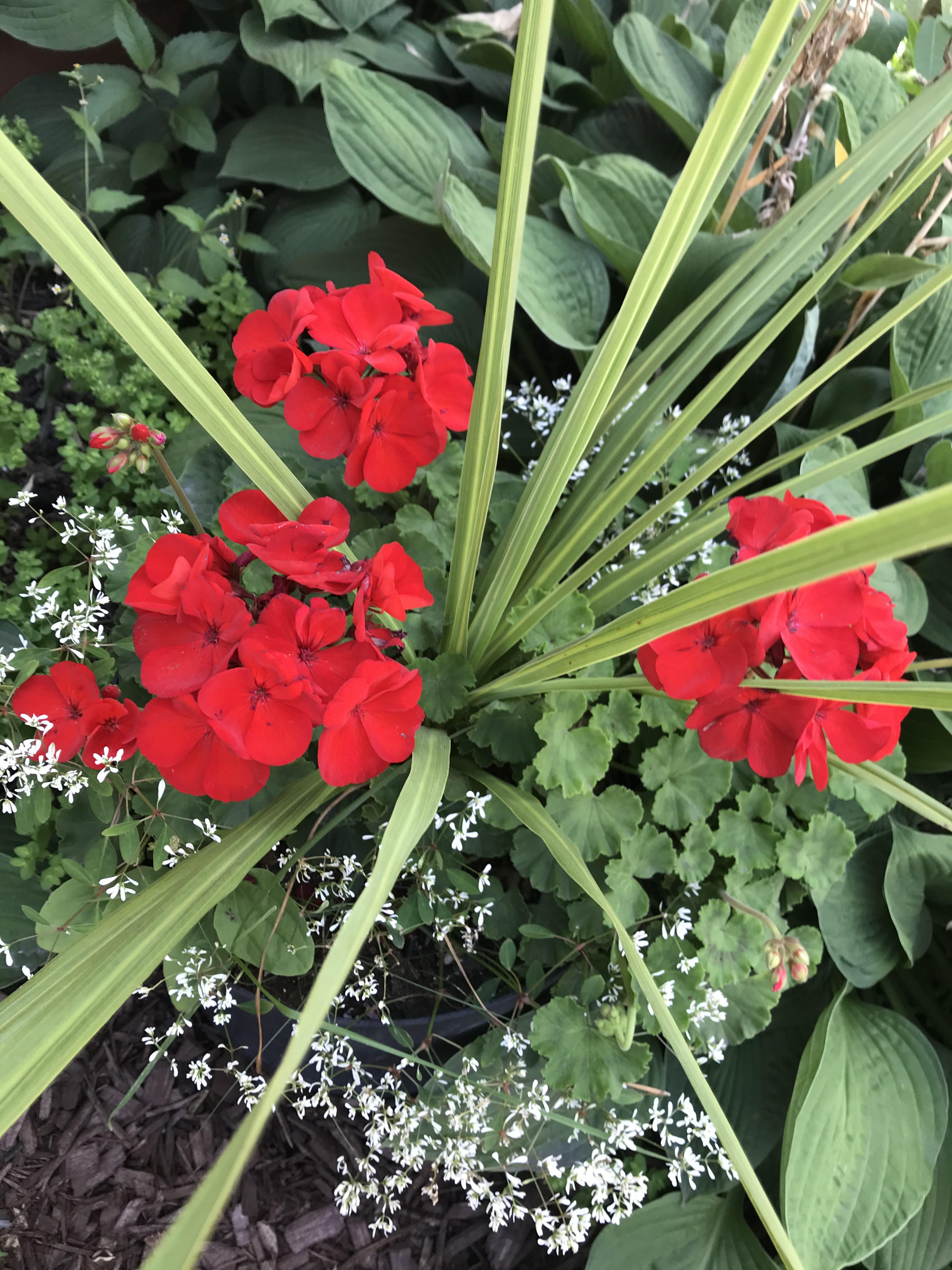
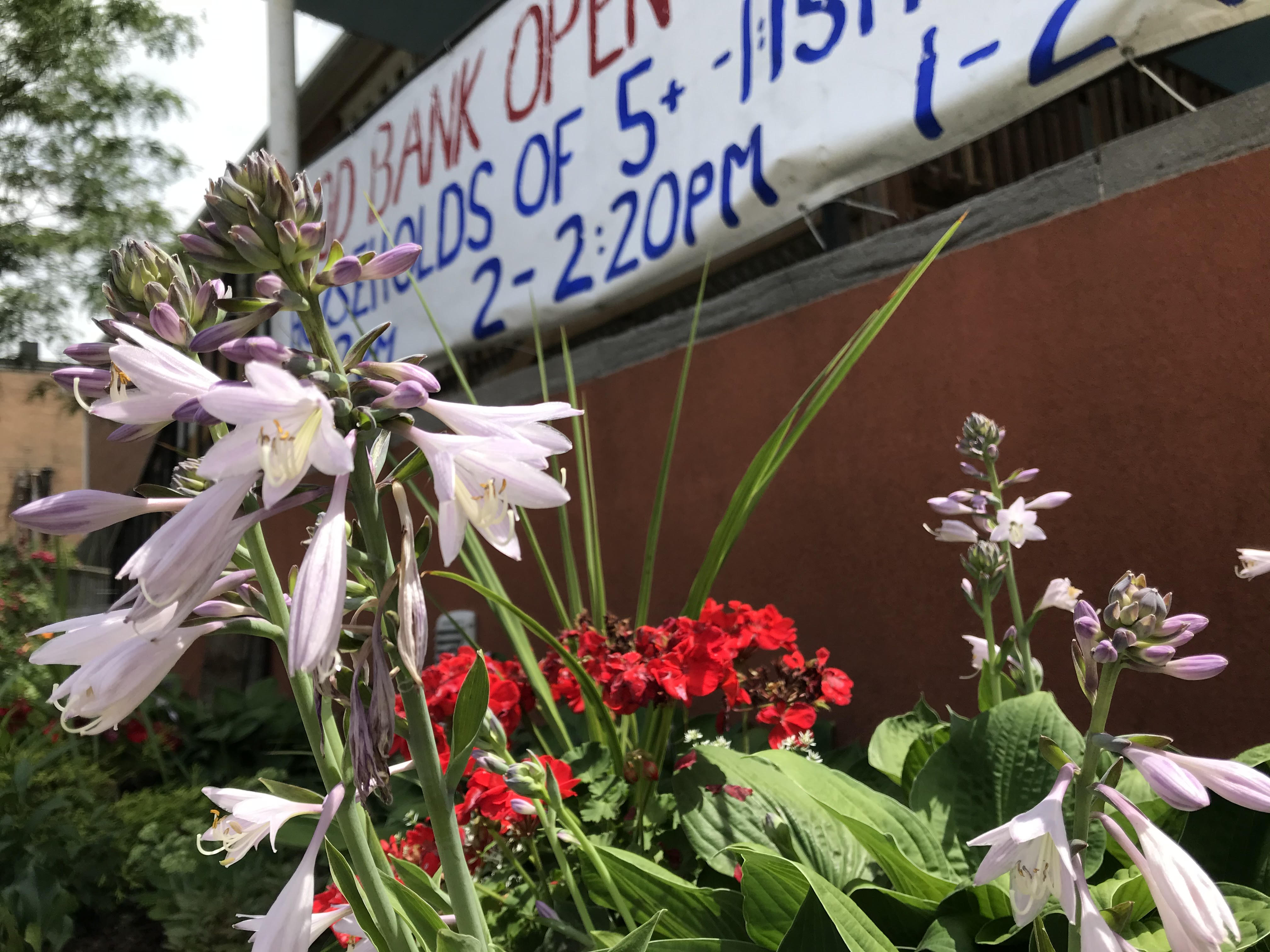
Geranium planter

Imagining a Tree Corps for Thorncliffe Park

On a smoking-hot summer day in Toronto, the cabbies hang out at the gritty East York Town Centre’s parking lot in Toronto’s Thorncliffe Park neighbourhood. They know where to stay cool — they’ve found a few small strips of cooling shade from the few trees planted in the mall’s vast concrete parking area.

The cabbies banter, have a smoke, and eat a brown-bag lunch. It feels livable here in the shade, on a scorching day when most folks are trying to stay inside and crank up the AC. Like a little oasis.

One steamy summer day in July, I decided to walk about 7 kilometers from our home in leafy Riverdale to my community garden at Thorncliffe Park. The heat kicked up across the O’Connor viaduct bridge. As I got across the valley bridge and turned into the Thorncliffe neighbourhood, my eyes scouted ahead to find the best shade. I instinctively adjusted my route to stick to the shady spots. I stopped once to take out my hearing devices, toweled down my sweaty head, and tromped on.

Next to the community sports field and playground, there was some great shade from mature trees. But as I got closer to the Thorncliffe mall, the task of finding shade was trickier. Trees were fewer, smaller, and sicker. I clung to some shade along the brick wall of the elementary school, then made a beeline across the heat blanket of the mall’s parking lot for a cluster of trees next to the Quick Lube oil change shop.

In this vast parking area, thousands have people have stood in a snaking line this year waiting for their covid vaccines — sandwiched between a hot sun, and the heat reflecting off the concrete.

Sign of the times: Thorncliffe mall parking lot next to the elementary school.

On the hottest summer day in Toronto in 2021, the temperature can top 36 degrees Celsius. But with climate changes underway, that peak is expected to edge well over 40 degrees by mid-century.

Middle income or wealthy neighborhoods have more cooling shade — their tree canopy is older and better maintained. Lower-income neighborhoods like Thorncliffe Park are hotter. It’s tougher to find the shady, liveable spaces on a hot day — the places that cool our bodies and ease our minds. In addition, wealthier neighbourhoods have better air-conditioning, and those AC systems pump hot air outside, increasing the temperatures for those coping with no AC.

It’s a small step, but we need more trees in Thorncliffe Park, I thought.

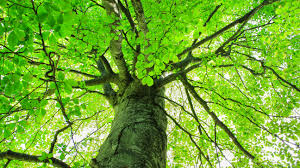
As I returned to guerrilla gardening this summer, I got some inspiration on the topic of guerrilla tree planting as one way to keep our city liveable in the years ahead. The first story came from my fellow community gardener Debi Rudoph. In the space of about 15 years, a small maple tree she planted clandestinely at a local grocery store now shaded a public sidewalk nearby. It created gorgeous colour in the fall.

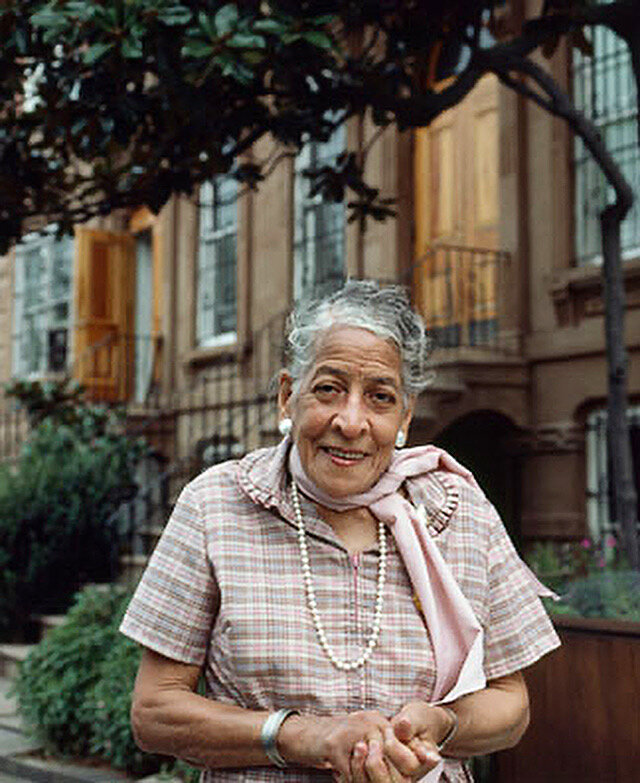
The second inspiration was a video shared by my brother-in-law Darcy McGovern. It tells the tale of guerrilla gardening efforts in New York City. One of the most inspiring was the story of Hattie Carthan. She had witnessed her beloved Bedford-Stuyvesant neighborhood in Brooklyn slowly fall into disrepair. As its black population increased, mortgage lenders used the discriminatory practice of “red-lining” to deny loans to residents. Homes fell into disrepair, as did city streets, sidewalks and infrastructure.

Hattie Carthan

One of the saddest declines was in the neighborhood’s tree canopy, as older trees were not maintained or replaced. With a fierce determination, Hattie became an activist. She formed a local Tree Corps. The group not only saved some existing trees, including an ancient and magnificent Magnolia, but over the course of years planted and maintained more than 1,500 new trees in public areas of their neighborhood.

The Tree Corps. engaged people of all ages to understand and nurture their tree canopy. Slowly, they brought back some beauty, pride, and cooling shade to their beloved “Bed-Stuy”.

As I wandered through the central section of Thorncliffe Park — the mall, school and park that are its lifeblood — I imagined how more trees could enrich this community.

My first thought was selfish — I could plant trees along my own walking route, to keep me cooler in the summers ahead. But I also thought about the thousands of people getting around on foot in Thorncliffe Park on a hot summer day. Coming through the park walkway to the mall. Taking the sidewalks to catch a bus, often in the scorching heat of the sun. Waiting for the bus with no shade in sight, like I have done many times.

I thought about community engagement in Thorncliffe through its Neighborhood Office, community gardens and businesses. And about the immense goodwill of its people.

I imagined a tiny band of willing guerrilla gardeners who would form the first-ever Thorncliffe Park Tree Corps.

Kudos to our guerrilla garden challenge winners

This spring, I threw down the gauntlet. As I mucked about in my gardening gear to try to beautify a city intersection, I made a call for others to take up the guerrilla garden challenge.

Congrats to our five winners — Jayne Rutledge-Fogarty, Debi Rudolph, Donna Spreitzer, Ann McGuire, and my Mom, Sheila Kinross. They’ve all inspired us in different ways.

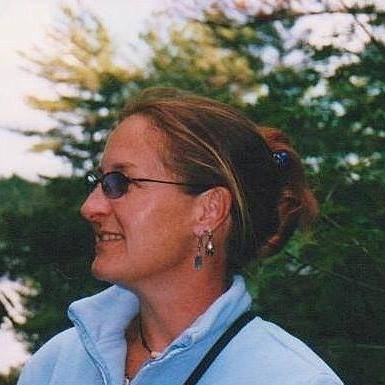
This image has an empty alt attribute; its file name is jayne.jpg

Jayne cast seeds originally saved by her Dad, creating floral colour on a hiking trail near her home in B.C.

This image has an empty alt attribute; its file name is debi-rudolph.jpg

Debi took covert action to plant a young maple tree on a grassy spot at a nearby grocery store; as it matures, the tree now shades folks on the public sidewalk nearby.

This image has an empty alt attribute; its file name is donna-in-valley.jpg

Donna has been on a mission to weed out invasive species such as the dog-strangling vine — to protect native species in the Don Valley eco-scape.

This image has an empty alt attribute; its file name is ann-mcguire.jpg

Ann donated teamwork and horticultural knowledge at this year’s guerrilla gardening mission — providing some TLC to a little perennial garden at an intersection near the neighbourhood’s biggest food bank. As a community gardener, Ann has also donated her produce to the food program at the Scott Mission.

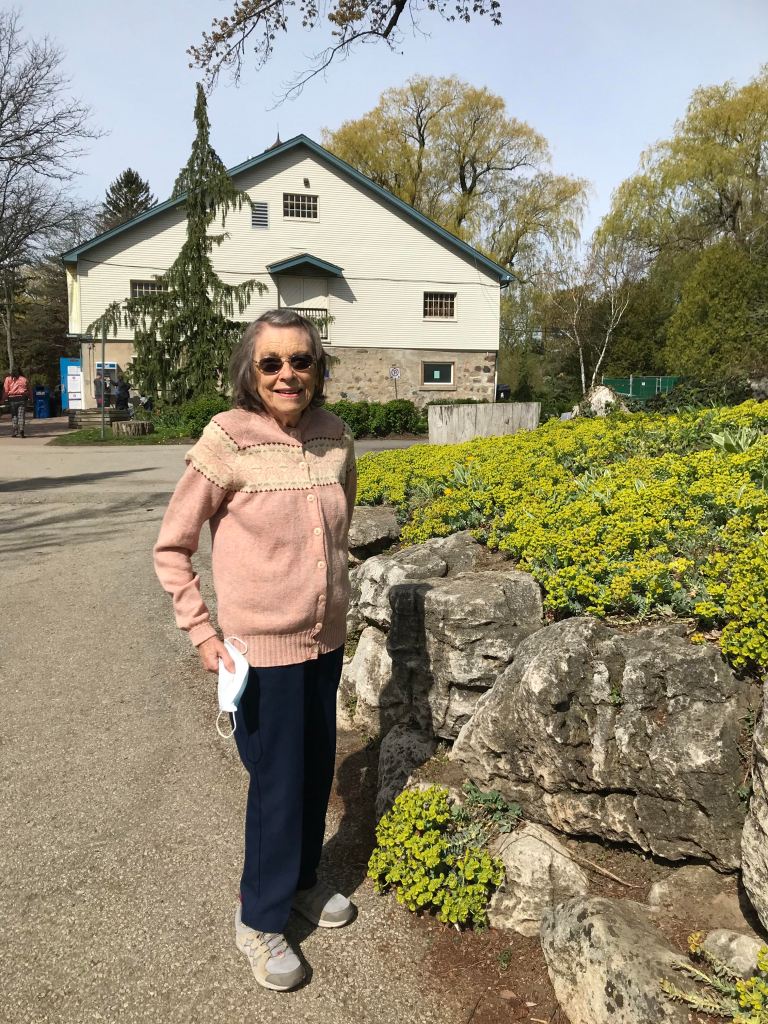
This image has an empty alt attribute; its file name is mom-at-edwards-gardens.jpg

— And my Mom, Sheila, and some fellow residents at her TO retirement home, rolled up their sleeves to beautify a local parkette. Their colourful annuals such as begonias, geraniums and impatiens complement existing plants like white hydrangea — a little oasis after a long winter and the latest covid lockdown.

Our winners received some herbs and flowers from my private collection, and copies of my blockbuster: The tiny gardens that could — a tale of two guerrilla gardeners in the heart of the big city.

Making us think

But more importantly, they made us think about our environment, about public and private space, about food security, and our natural world.

Thanks also to my brother-in-law Darcy McGovern for sending along a video about the Tree Corps project in gritty area of New York City. Citizens banded together to plant trees to increase the urban canopy — to level the playing field in poor neighborhoods where a lack of trees amps up the heat. I will profile this and add some thoughts in a subsequent blog.

Also to Tim Reynolds who sent along a cool piece about “guerrilla grafters” — who secretly grafted fruit-bearing branches onto ornamental city trees.

Kudos to my fellow guerrilla gardeners, past, present and future — thanks for the inspiration.

Good Samaritan — a true tale of guerrilla gardening

Sometimes a guerrilla gardener needs back-up.

My friend Ann McGuire meets me at the southeast corner of Pape and Cosburn Avenues. This neighborhood mixes high-rise apartments, post-war homes, light industrial businesses such as autobody shops, as well as retail and restaurants. It is a gritty counterpoint to the tonier Danforth Avenue to the south.

Ann is seeking some shade on the steps of the Bethany Baptist Church on a steamy morning in late June. Underneath the church’s hand-painted Food Bank banner is the tiny garden that this guerrilla gardener has chosen to nurture this year. Nothing fancy, but over the course of several covert missions this spring, the garden has been:

— watered and weeded, revealing an eclectic mix of perennials

— received minor repairs to its brick perimeter

— welcomed two new red geranium arrangements, adding a splash of colour, and

— refreshed with a new cover of forest-brown mulch to preserve moisture and keep down weeds.

As a truck pulls up to deliver pallets of food for this week’s food bank (supplying local residents in need, “no questions asked”), Ann and I inspect the tiny garden.

Ann knows her stuff. As a retired teacher and long-time community gardener, she is also a volunteer at Toronto’s Botanical Garden. I point to a mystery perennial that is arising from the mulch. Buds are forming above its thick, light green leaves. “That’s Sedum,” Ann says, noting the star-shaped flowers emerging on stems.

Sedum

She has a closer look at two shrubs growing around my token pot of geraniums and declares that they are a dwarf variety of cedar. Vigorous hostas show off their wide leaves and first white flowers. A volunteer milkweed plant rises, perhaps to attract the Monarch butterflies that have reached the city from their winter home in Mexico.

The church has obviously put some care into designing and planting this garden. Our mission this year is simply to give it some TLC. The garden fronts a tiny but popular public space. Many area residents take advantage of the red city bench nearby to take a load off, sometimes on the way home from a shopping trip. Others wait on the bench, or in the bus stop close by, for a TTC bus. An artist has beautified a drab hydro box at this corner, using it as the canvas for a colourful mural.

In the wee hours, the city bench on this gritty street corner hosts a few impromptu parties. The guerrilla knows this because he sometimes must dispose of the evidence — like a cigarette lighter or a Mars bar wrapper tossed into the shrubs.

Hosta and geraniums bloom at the tiny garden

The guerrilla gardener will be out of town for awhile, and Ann has kindly agreed to check in on the tiny garden periodically to do some weeding and watering. She is truly a guerrilla garden Good Samaritan.

To beat the heat, we walk half a block north to the Serano Cafe, a nice meeting spot on the east side of Pape Avenue, with a patio offering morning shade. This cafe is an offshoot of the popular Serano Greek bakery further south on Pape.

As we chat, I learn that Ann is also being a Good Samaritan to one of our fellow community gardeners, Mike Murakami. While Mike recovers from some health issues, Ann has kept in touch with him to offer help. This week she made some tasty cake featuring the red currants from Mike’s Thorncliffe garden plot — and delivered it to Mike in his apartment.

Ann must head off for her volunteer shift in the library of the botanical garden. We part ways. The tiny garden at Pape and Cosburn is in good hands.

Ann is the fifth friend to take up the Guerrilla Garden challenge in 2021. For more on the exploits of this year’s brave band of guerrilla gardeners, see previous posts in this blog.

And here’s to Good Samaritans.

Ann McGuire