Signs of spring at Sebby Falls

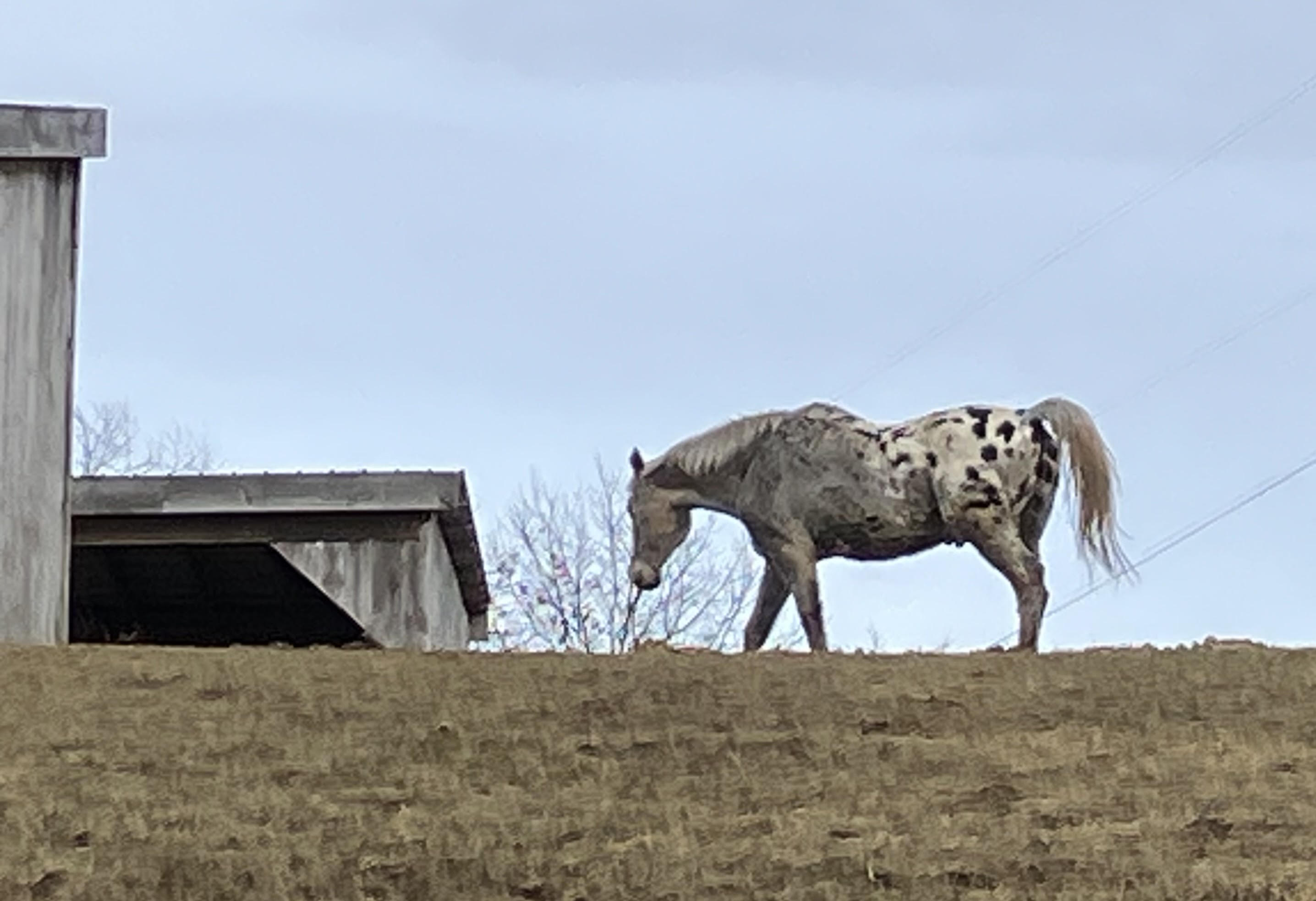
March, it seems, is the new April. After a mild winter, signs of spring are everywhere: Canada Geese honk and flap northward; Mallard ducks float and paddle on Minden Lake, the old Appaloosa horse next door has shed his winter blanket…

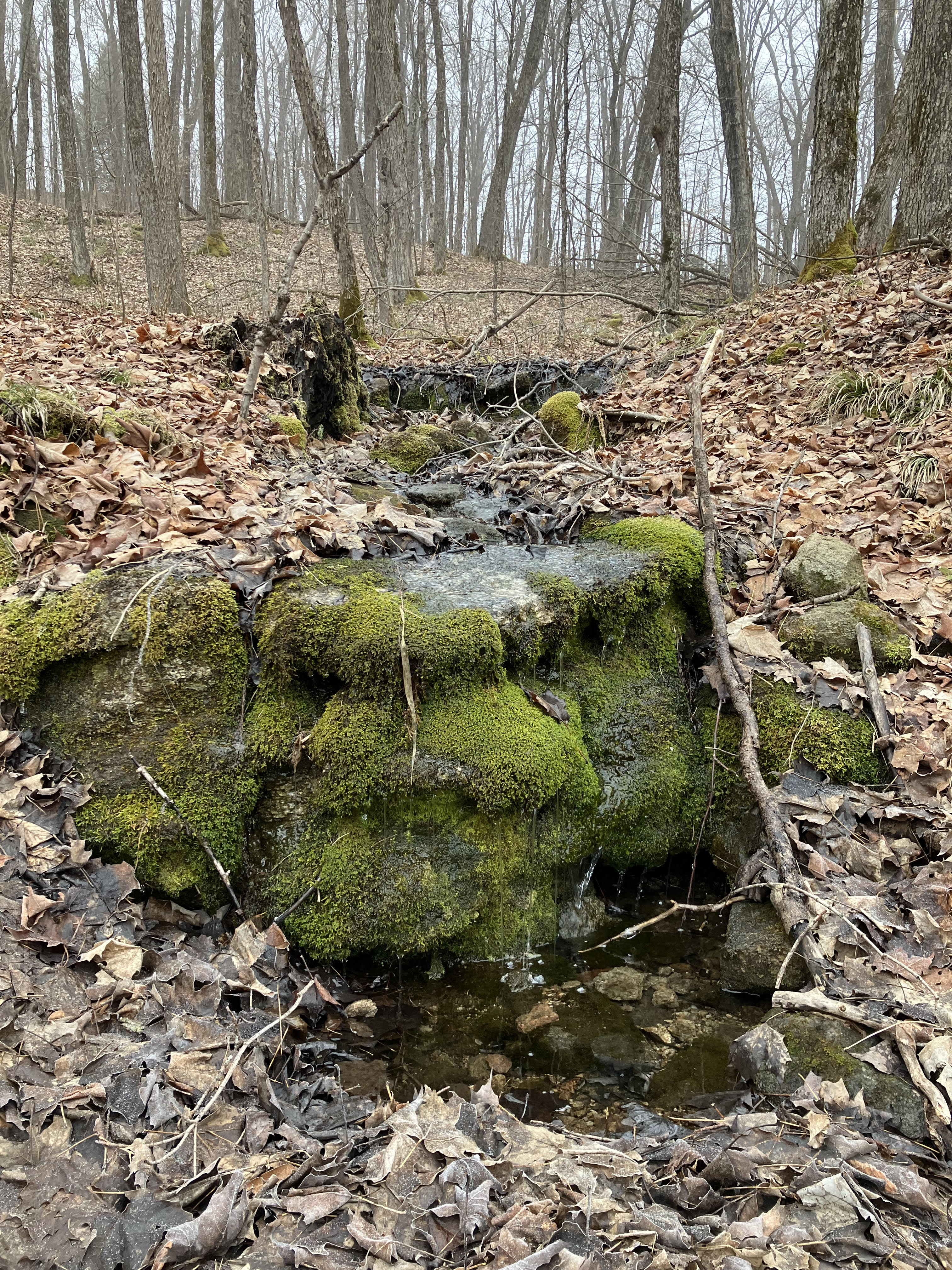
At the point where Kinross Creek drops down a steep granite ridge, a tiny waterfalls is starting to trickle with the spring run-off. Let’s call it Sebby Falls, after our grandson.
My plan was to visit Kinross Creek each month for a year, to learn more about the lifecycle of this little watershed in the forest north of Minden, Ontario.

Today is the 12th month of this journey. Most of the snowpack has melted early. But because the temperature dropped to minus 5C last night, the ground is firm and easy to walk on. With my hiking stick, I navigate up the hill, stopping a few times to catch my breath and admire the muted colours of winter’s end — a carpet of reddish-brown leaves on the forest floor, frost glistening on old blackberry canes, the grey-green of lichen-covered stone.
With the last of the snow melting, Kinross Creek is running fast — probably approaching its peak flow. Ali’s pond is full, its water gushing through a central dip in the stone check dam. Some water has snuck around the west side, so I make a mental note to shore that up when the creek dries in summer.

Downriver, Colleen’s pond is filling and sending a strong current downriver. Typically the creek peters out past Colleen’s pond, but today it runs maybe 50 yards further, right to the edge of a granite shelf and into the valley below.

It’s not exactly Niagara Falls, but Sebby Falls is magical in its own way. The fresh, running water spills over a rock ledge, down moss-covered stone and into a tiny pond before it carries off down the hill. And eventually into Minden Lake.

Sebby (short for Sebastien) lives in Seattle, Washington with his parents, our younger daughter Colleen and her husband Tim. Sebby turns 2 in June. He’s a happy little dynamo. We grandfolk — Nadine and I in Canada, and Mathilde and Nicolas in France, are blessed.

I walk back upstream and snap a few pics of Ali and Colleen’s ponds. Next to the hydro tower, I take off my gloves and pause to snack on a granola bar. As I admire the scenery down the hill to the pastures below, the battery in my hearing device starts beeping. Nothing like a little reality check — and some humility — to interrupt a peaceful moment. And of course there is the reality check that our warmer winters, weather swings, and wildfire smoke are consequences of climate change. March may be the new April, but in many ways I wish it was just the old March.

With the tree canopy still months away, you spot different things in the forest. Some bizarre fungi are sprouting on a dead poplar. My boot hits a rock and I look down to see a striking, white quartz stone. I spot more quartz near the trail — a secret quarry? In the farm field near the road, the old Appaloosa has made it through the winter. Soon the songbirds will return from their migration.
Back at the cottage, we receive a zoom call from Sebby. He is eating porridge and reciting the first seven letters of his ABCs. He wants to show us his little wood train set and tracks. In the neighborhood enroute to Sebby’s favourite park, daffodils are swelling. To the east, the splendid Cherry trees at the University of Washington will soon be covered in pink blossoms — more signs of spring.
Sticking with it

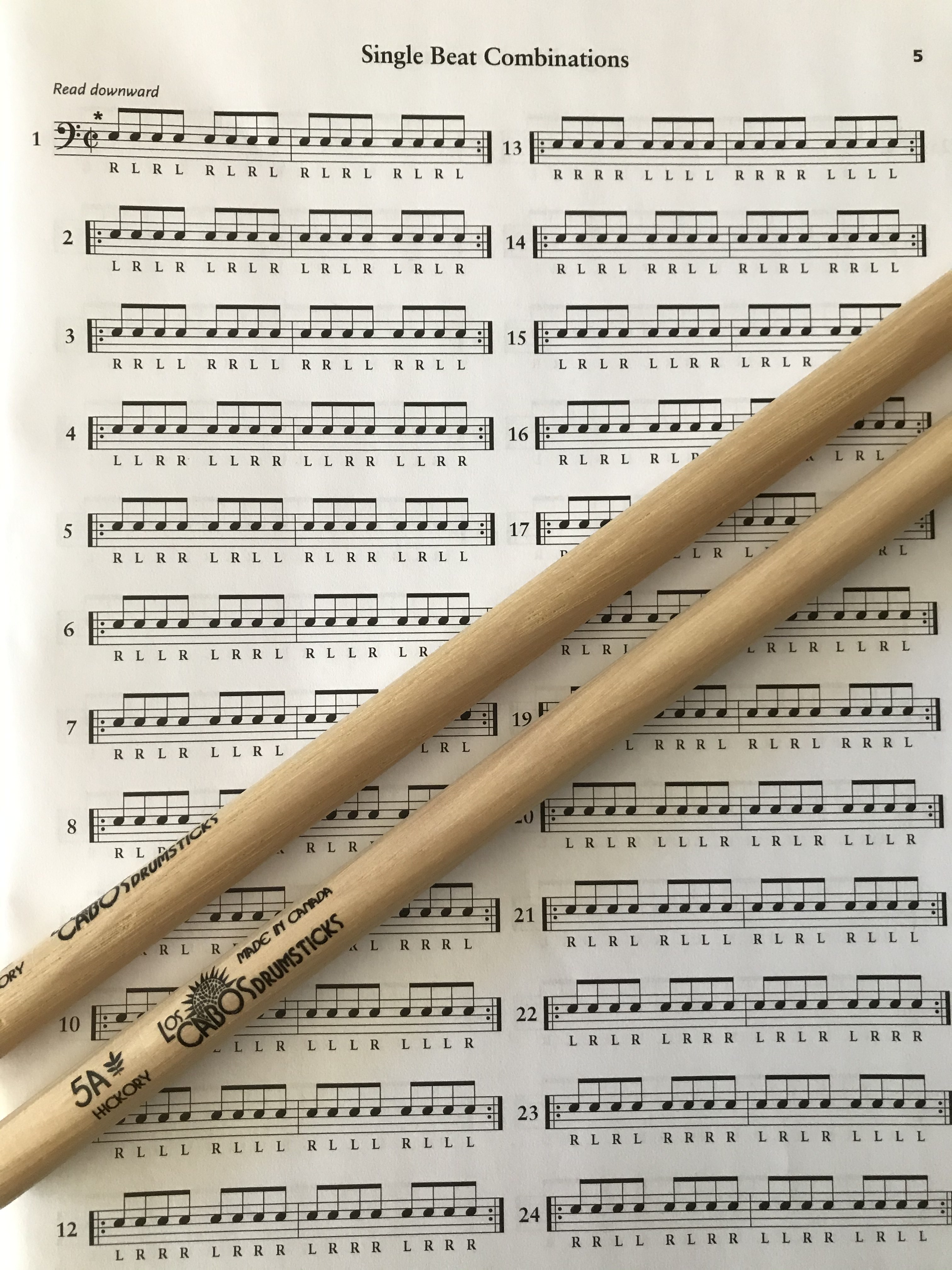
I was feeling cocky when I cracked open Stick Control to its first page of exercises for the snare drummer. After all, in trying to make my drumming comeback, I had already tackled several challenging snare drums solos, including an 18-century dance suite adaptation from Anthony Cirone’s Portraits in Rhythm.

My friend and fellow percussionist Ward had reminded me about Stick Control and I remembered it from my drum-lesson days in the 1970s. During my recent pilgrimage to musical instrument store Long & McQuade, I picked up a copy of the music book, along with a new pair of sticks.

Stick Control2

The first page of Stick Control’s single-beat combinations looked simple at first glance. There were 24 in total, exploring different left-right hand combinations in a consistent stream of eighth-notes. Should be easy, I thought.

The fifth combination was paradiddles. The muscle memory kicked in and the paradiddles flowed smoothly in a right-left-right-right, left-right-left-left sequence (say PA-RA-DI-DDLE, PA-RA-DI-DDLE). I was on a roll.

But number 6 through me for a loop. It consists of standard paradiddles, but staggered to start on the second or “RA” beat of the paradiddle. My brain cramped. I tried it a few times and could not get it to flow.

Breaking bad habits

I recovered a few combinations later, and started to enjoy the challenge to my brain, hands, and memory. One thing I noticed was the emphasis on ambidexterity — a challenge to my dominant right hand. The exercises alternate downbeats with both left and right hands. A good way to break drumming habits.

Ahead of me were a total of 72 single-beat combinations. And that is just the first section.

The author-composer is George Lawrence Stone, a serious-looking man with a rudimental drumming pedigree and track record of percussion performance and teaching in Boston. Stone died in 1967 but his method is still revered by modern drummers.

“It has helped me to sharpen the tools of expression,” drummer Steve Gadd wrote. You can’t question Gadd’s musical tools — he brought a crisp fusion to his drumming with Steely Dan, Weather Report and other progressive bands.

Putting in the hours

“To the uninitiated, the art of drumming appears easy,” wrote Mr. Stone in the preface to Stick Control — “so easy in fact that unless the drum student has had the advantage of expert advice, he (or she) may fail to realize the importance of the long hours of hard, painstaking practice that must be put in.”

Doing the quick math, I figured I had solo-practiced drums and percussion about 2,400 hours between Grade 6 and Grade 13, mostly in my parents Don Mills basement. (Thanks Mom, Dad, Louise and Andrew, and sorry for the racket.)

My drum teacher Glenn Price recommended at least an hour a day, and I put in the hours, with a few days off now and again. Adding in practices and performances in rock and jazz bands, stage bands, concert bands, percussion ensembles, music camp, and a brief stint in Humber College’s music program, let’s push that estimate to a total of 5,000 hours.

Author Malcolm Gladwell wrote about the 10,000-hour principle to achieve mastery in a skill — maybe this old guy still needed to get cracking.

Doing the math also reminded me that life was simpler back then. For today’s kids, with more distractions and technology, would it be tougher to practice music, or any art form or technical skill?

Delicacy and power

Stick Control, with its relentless combinations of single beats, triplets, short rolls, rudiments such as flams, and blends of the above, was definitely on my practice list back in the 1970s.

Stone promised that with regular “intelligent” practice, his collection of rhythms, “will enable one to acquire control, speed, flexibility, touch, rhythm, lightness, delicacy, power, endurance, preciseness of execution and muscular co-ordination to a degree far in excess of (one’s) present ability.”

I seconded that emotion.

Stick Control was back on my music stand.


Stone terrace twilight

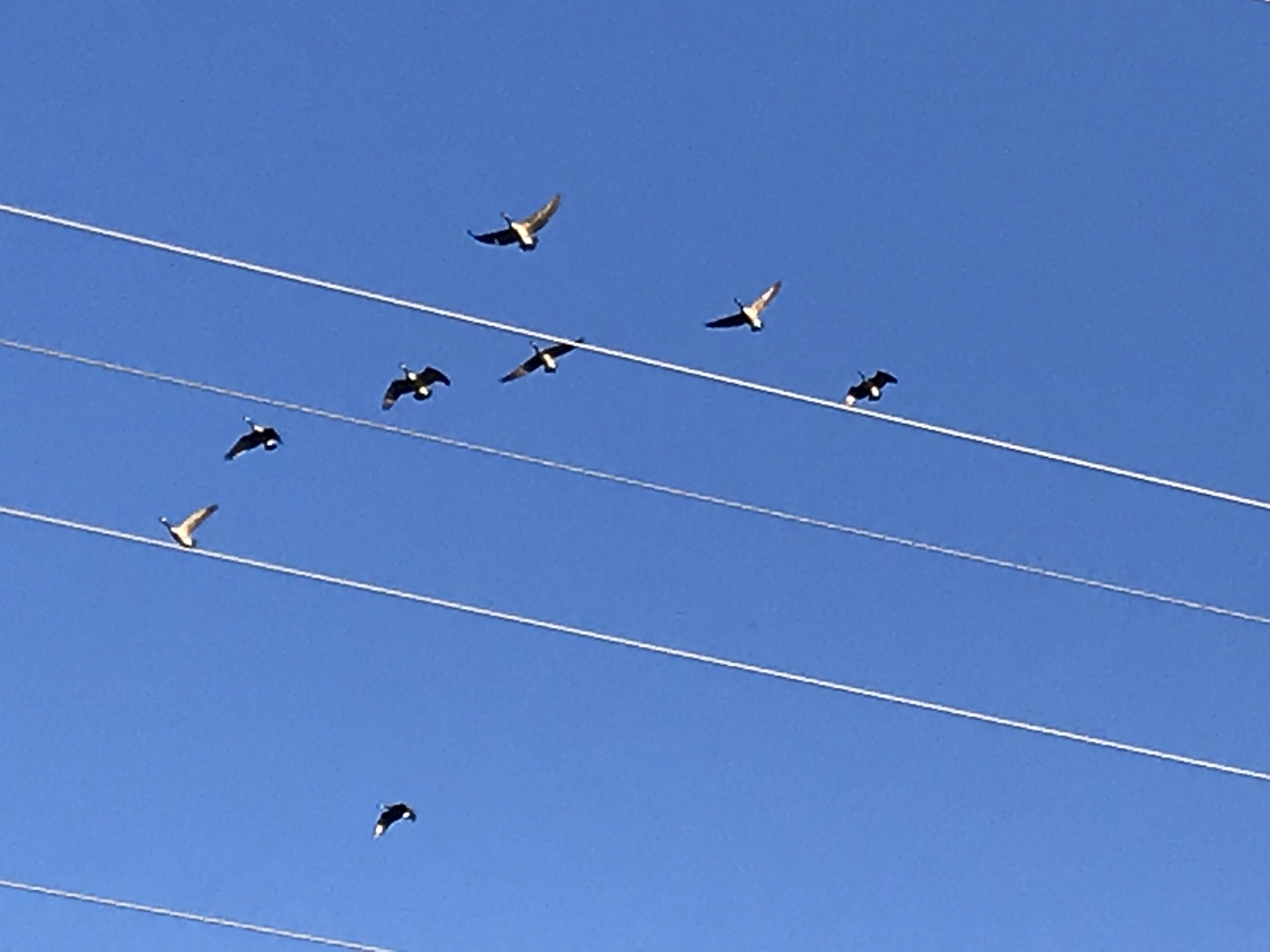
Our bluebird family had flown the coop for warmer climes and the Canada Geese were flying circular training runs in the farm field next to our cottage. Honking in their traditional V-formation, and weaving expertly through a set of hydro lines, they prepared for the journey south.

canada geese
oak with frost

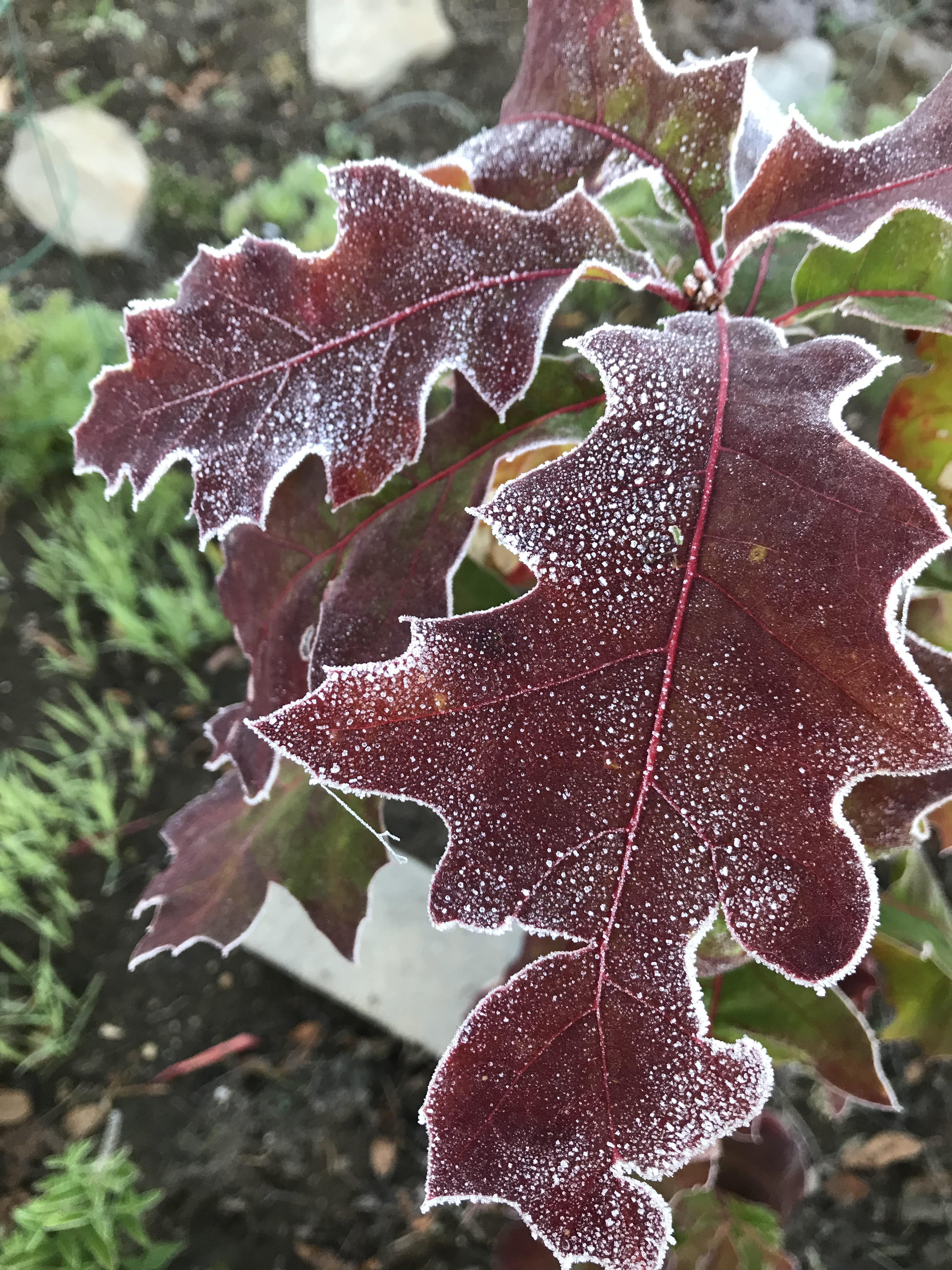
First frost shimmered on fall colours in Minden Hills, lighting up the leaves of the baby pin oak tree next to our garden.

Several tons of stone and a special order of granite that I had obtained from Brent Coltman and his father Wayne had been formed into new dry-stone terraces surrounding the little cabin in the forest.

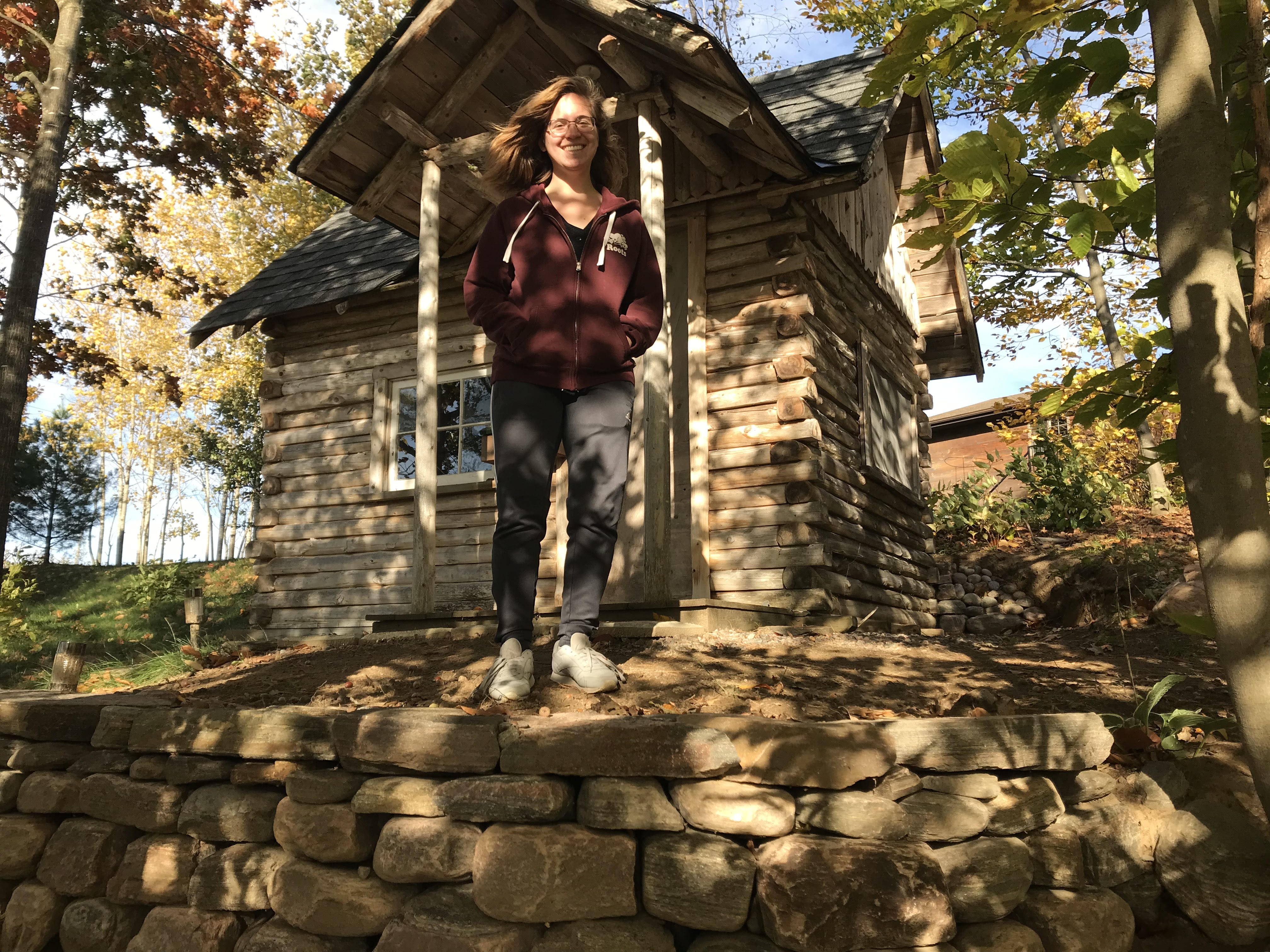
The cabin, originally built by my father in law, Claus, and later moved to our place by truck and crane, now had some breathing room in front and back. It would stay higher and drier in the long winter, and it sported a new extended front porch area for future occupants.

For my stone work this year, I had channeled learnings from master stone waller John Shaw Rimmington and my classmates at Haliburton School of the Arts.  Working with sometimes gnarly and ancient stone once rolled by glaciers, I had come to appreciate its beauty and history. And yes, as I got into a rhythm, putting the pieces of the dry stone puzzle together, I occasionally dreamt of stone.

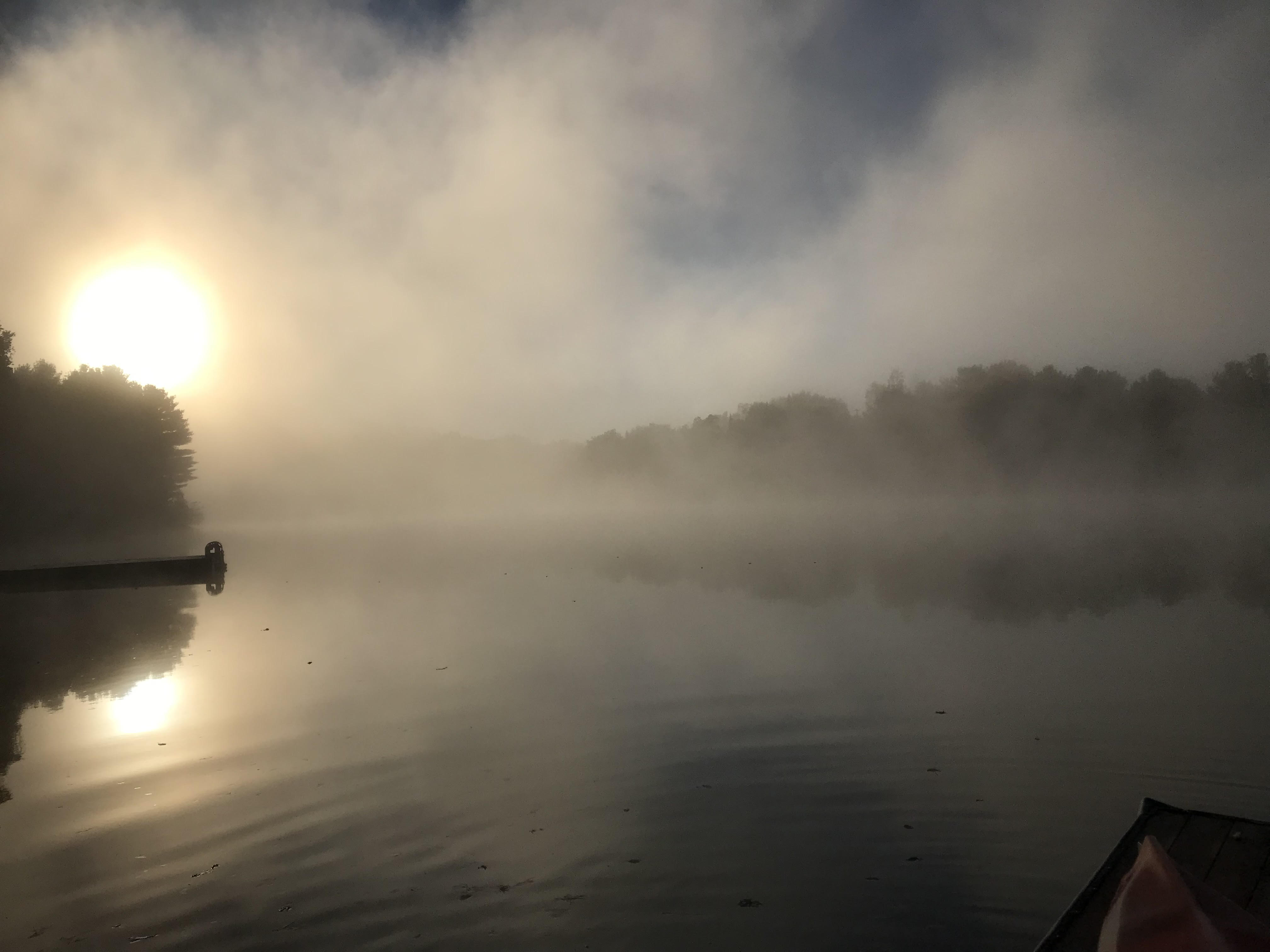
The morning frost sent a mist off the lake and up the hill.

misty lake

fall lake view

Around the cabin site, new perennial hosta plantings blended with a grove of smooth-barked beech. Annual impatiens flashed their final colours of white and pink. Sturdy oak trees continued to rain down their motherlode of acorns for local critters.

By the lake, our stone terrace gardening efforts had yielded some new perennial plants that were now established and should survive the winter. Nadine’s gladiolas and hydrangeas continued to produce beautiful blooms for table arrangements. Annual orange nasturtiums cascaded and collapsed over the stone, touched by frost. The fig trees I had put out in pots for an Italian garden touch would need to be brought inside soon to hibernate during the long Canadian winter.

We were missing our two daughters Ali and Colleen, who were living and working far from home — in Scotland and the U.S..  For this Canadian Thanksgiving, we were joined in Minden by four young adults — two of our nieces, Rachel and Katie, and two family friends, Mehtab and Alva — and Nadine’s mom Ann. They checked out the log cabin in its new stone nest in the forest.
rachel at cabin

On tap that weekend were some board games, a tour of local artists, and some homework for the youth movement — they were studying engineering, political science, commerce and social work respectively. The highlight was a splendid turkey dinner prepared by Nadine and Ann.

Next to a roaring fire outside, we roasted marshmallows, then coaxed embers around a big beech stump that was slow to burn. Night fell and stars came out across Minden Lake. As the air chilled, we fed the fire and nudged our chairs closer to its warmth.