Forest yoga at Ali’s pond

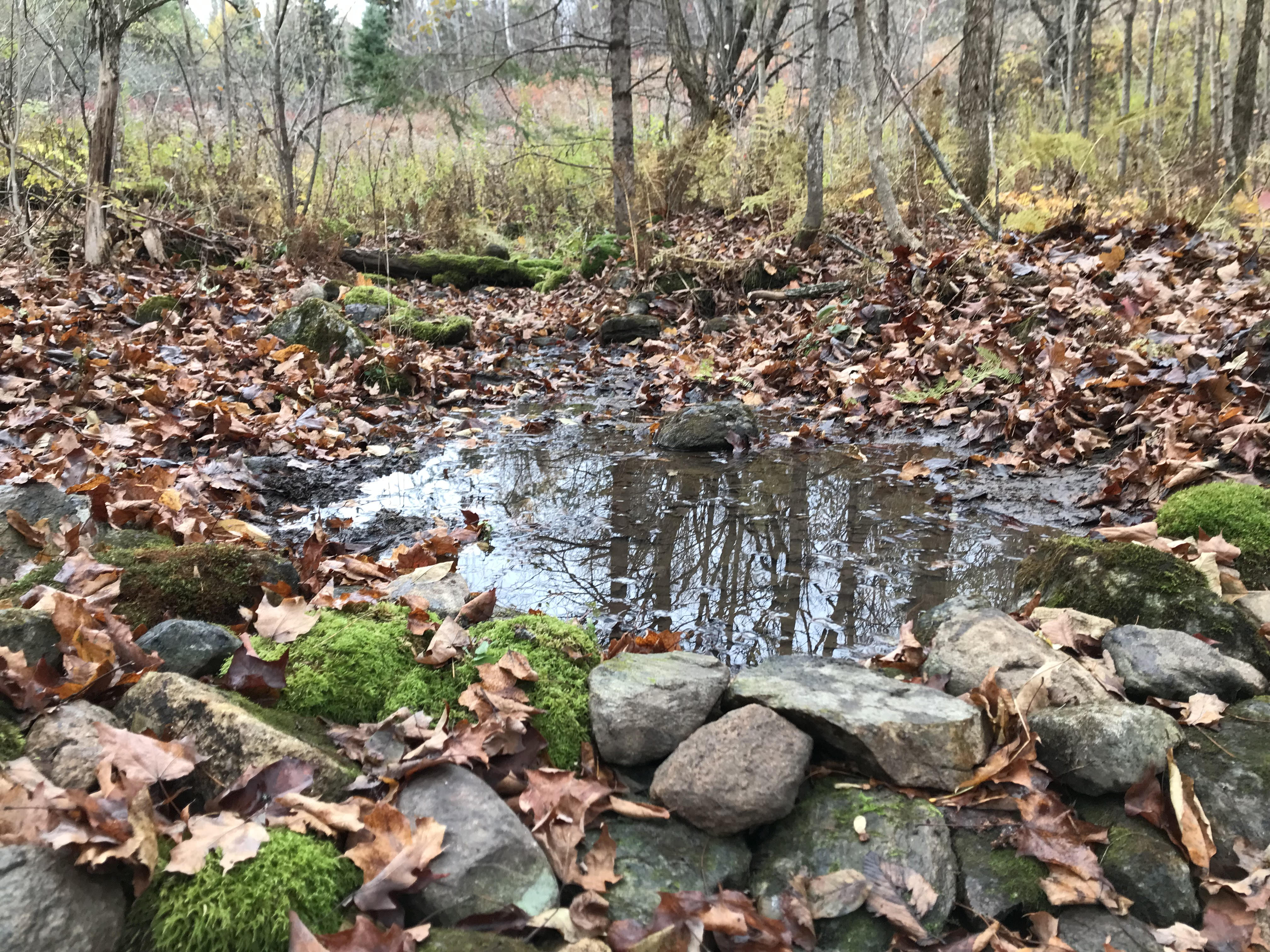
Kinross Creek went dry for about six weeks this summer but with the longer nights and recent rains in October, the creek is trickling again and, for the first time ever, filling up Ali’s pond.

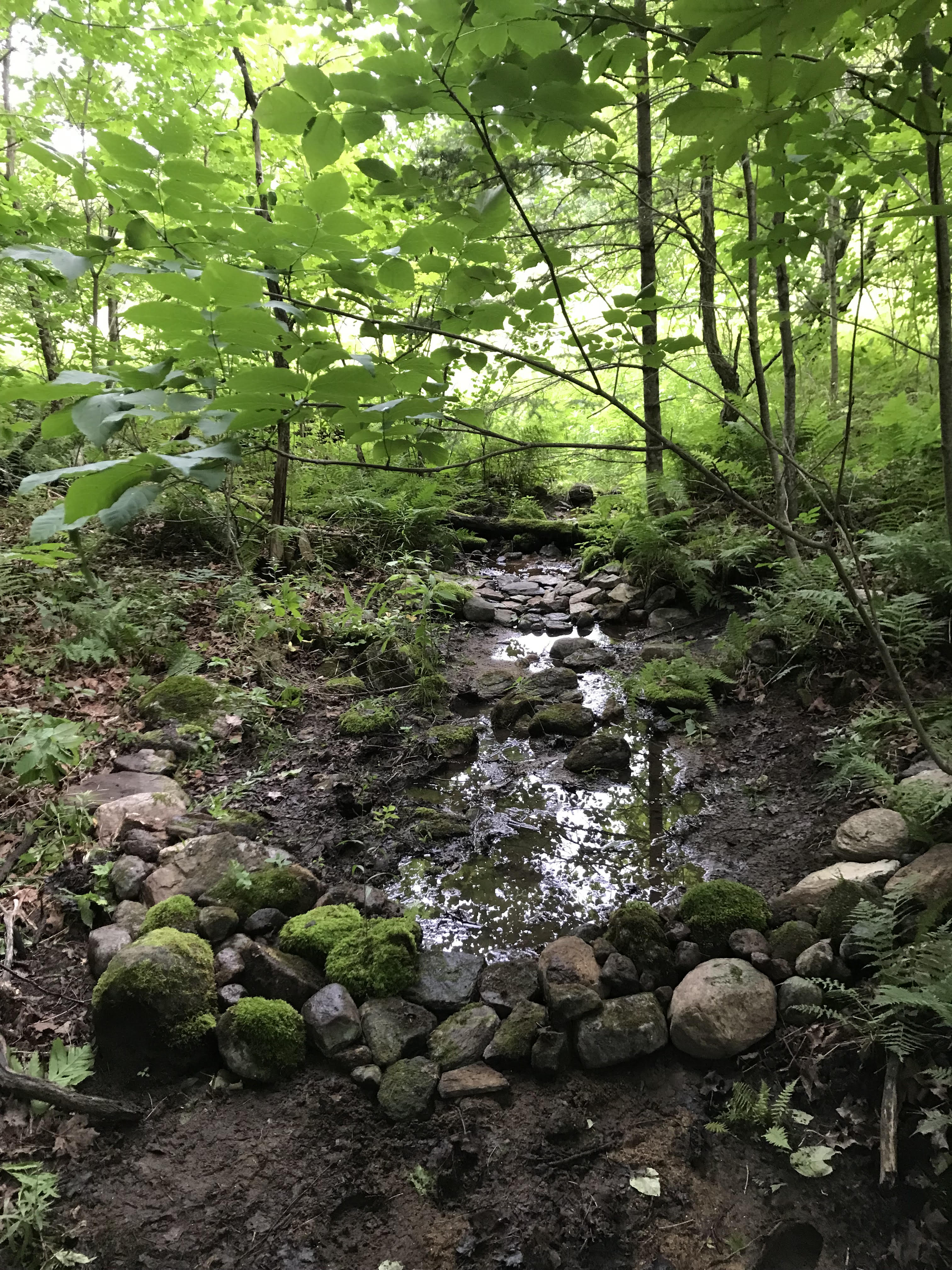
Happy Birthday, Ali! The little semicircle of stones gathered nearby are catching the creek nicely to form your new pond — a stone smile in the forest.
It was cold and windy on the walk over this morning. Canada Geese mingled with mallard ducks in a protected arm of Minden Lake. The geese will fly south soon. Some mallards might stay the winter in open waters, near the rapids.

The local farmer has brought his cattle back from summer pasture and will sell some at auction next week. Those staying on the farm this winter are roaming the fields to nibble the last fresh grass. After the frosts come, a good stockpile of hay and silage closer to the barn will keep the cows fed over winter.

In the forest, it’s calmer and quieter, with a palette of diverse colours. The dried leaves that were shed by the tall maples here mingle with splashes of colour. Bold scarlet leaves linger on small oak trees, yellow poplar leaves flutter, and a few lush green ferns remain on the forest floor. Fungi of different shapes, sizes and colours bloom on the trunks of fallen trees. The forest takes a breath before winter sets in.

As I approach Kinross Creek, huffing and puffing up the hill, I catch sight of the new pond, with trees reflected in it.

I muck around, moving some stones to reinforce the small dam. I bend over, stretch my legs at odd angles for balance, then stand up with my hands on my hips to ponder. From a distance, someone might guess I am practicing some kind of strange forest yoga.

With the water level still low, I gather a few large stones to form a new set of stepping stones just upriver. These will make it easier to ford the creek next spring.

I suspect the new pond will continue to fill into November, as the creek’s watershed gets wetter with the dew of longer nights, and with more rain expected in the forecast.

It will be neat to return here to get another look at the pond before the ground is frozen and the snow flies.

Downstream, the area around Colleen’s future pond is mostly dry and full of leaves — that will be my project next spring, when the creek runs faster with melted snow.

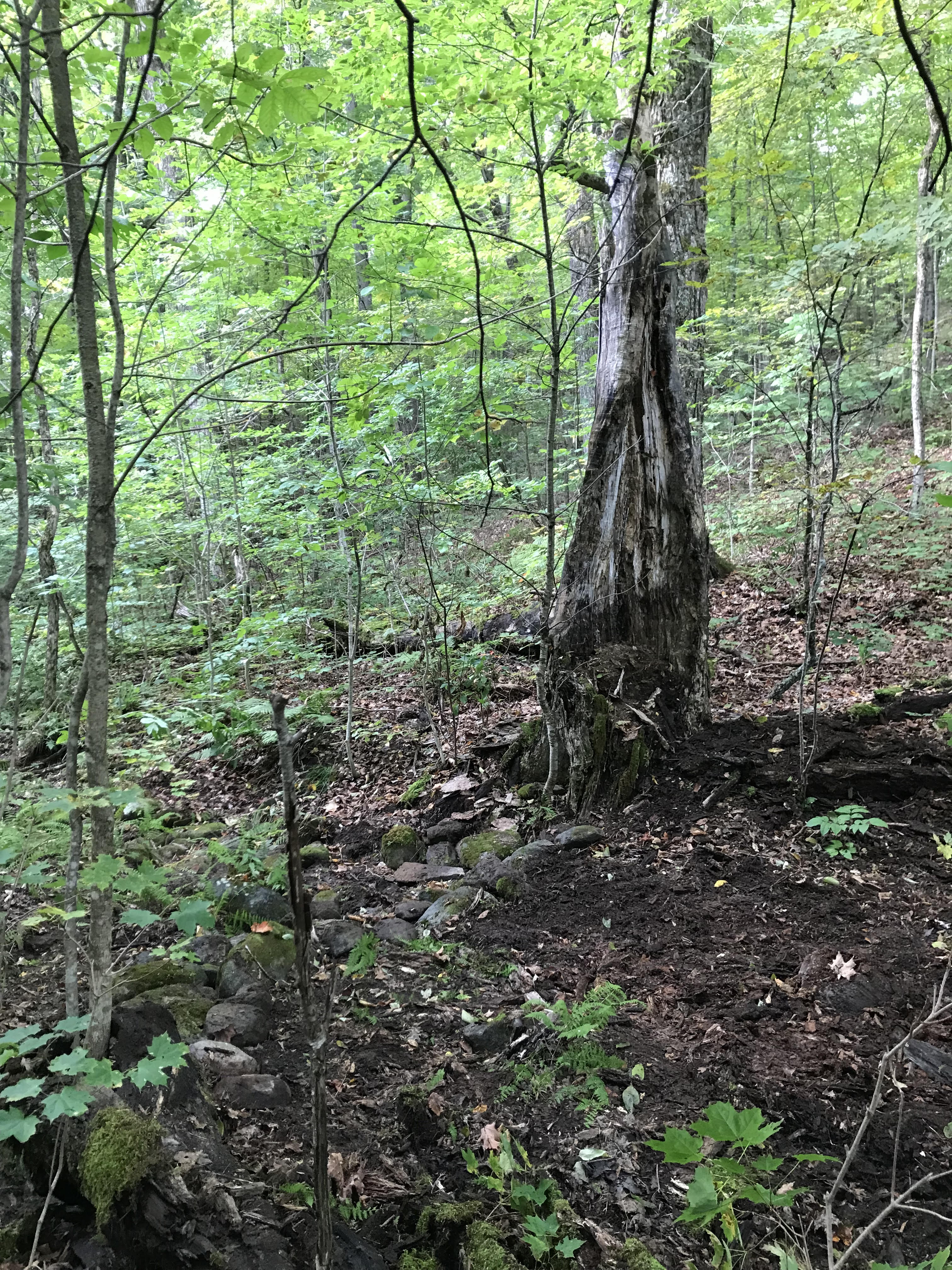
Today, I realize it’s getting harder to find stone in the forest with all of the fallen leaves, but a large moss-covered stone suddenly presents itself, next to an old tree. I wiggle it and realize it’s part of a mound of big stones — likely piled here years ago by a farmer. It’s the motherlode!

Next time I visit I will excavate a few of these big ones. They’re too heavy to lift, so I plan to coax, flip and roll them over to the creek.

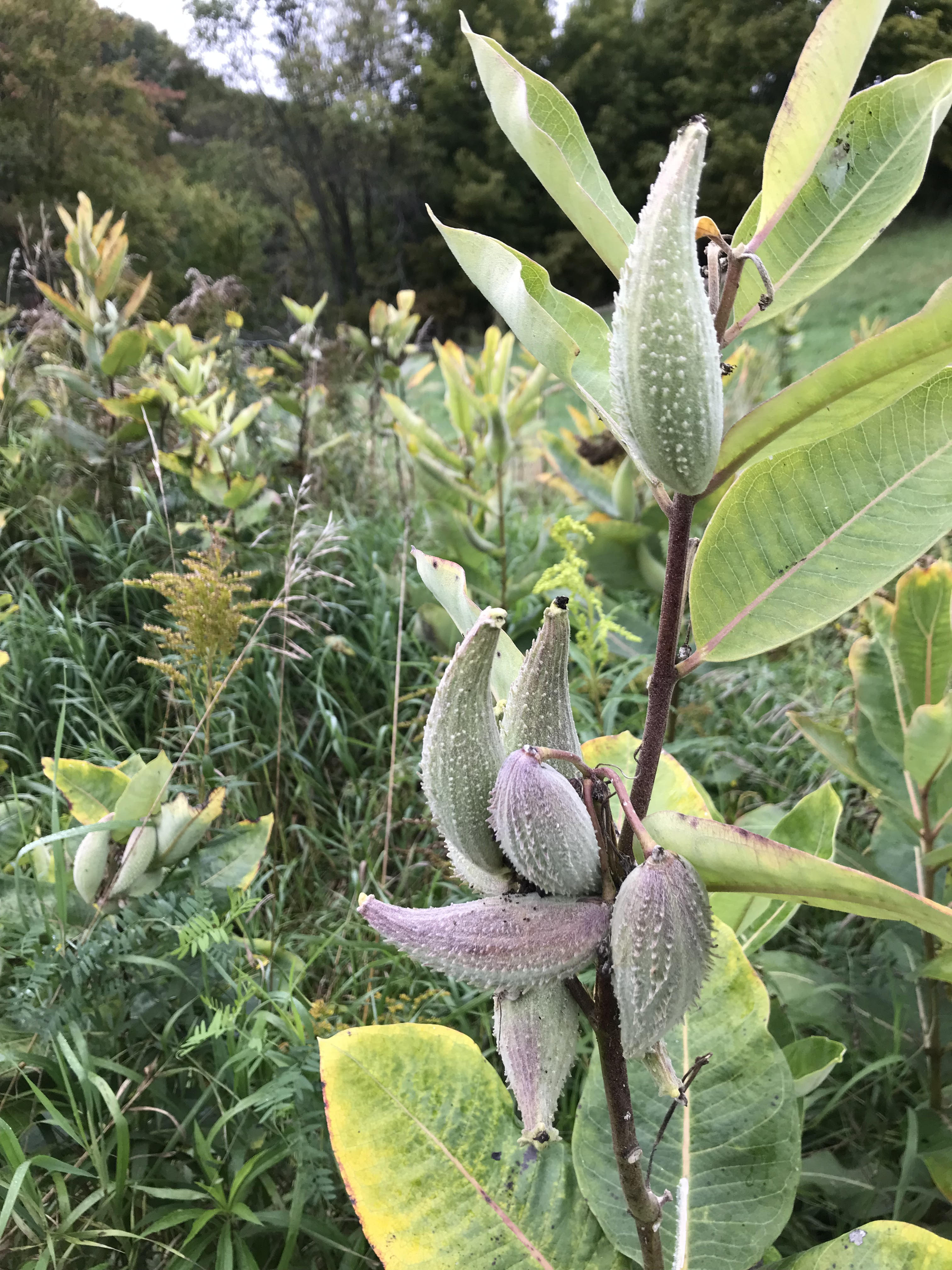
To me, there’s a freedom in the coolness of fall. As the leaves come down, you can see the forest contours and walk anywhere. There is a different energy that comes with the change of seasons. I pause near the hydro tower and admire the view of the farm and cows below. I inhale cool air and head back down the hill. Next to the road, beige milkweed pods release their seeds on silky-soft wings.

Our daughter Ali turns 32 tomorrow in New Zealand, where spring has sprung.

Love you, Ali — Happy Birthday!
Riverbed restoration at Kinross Creek

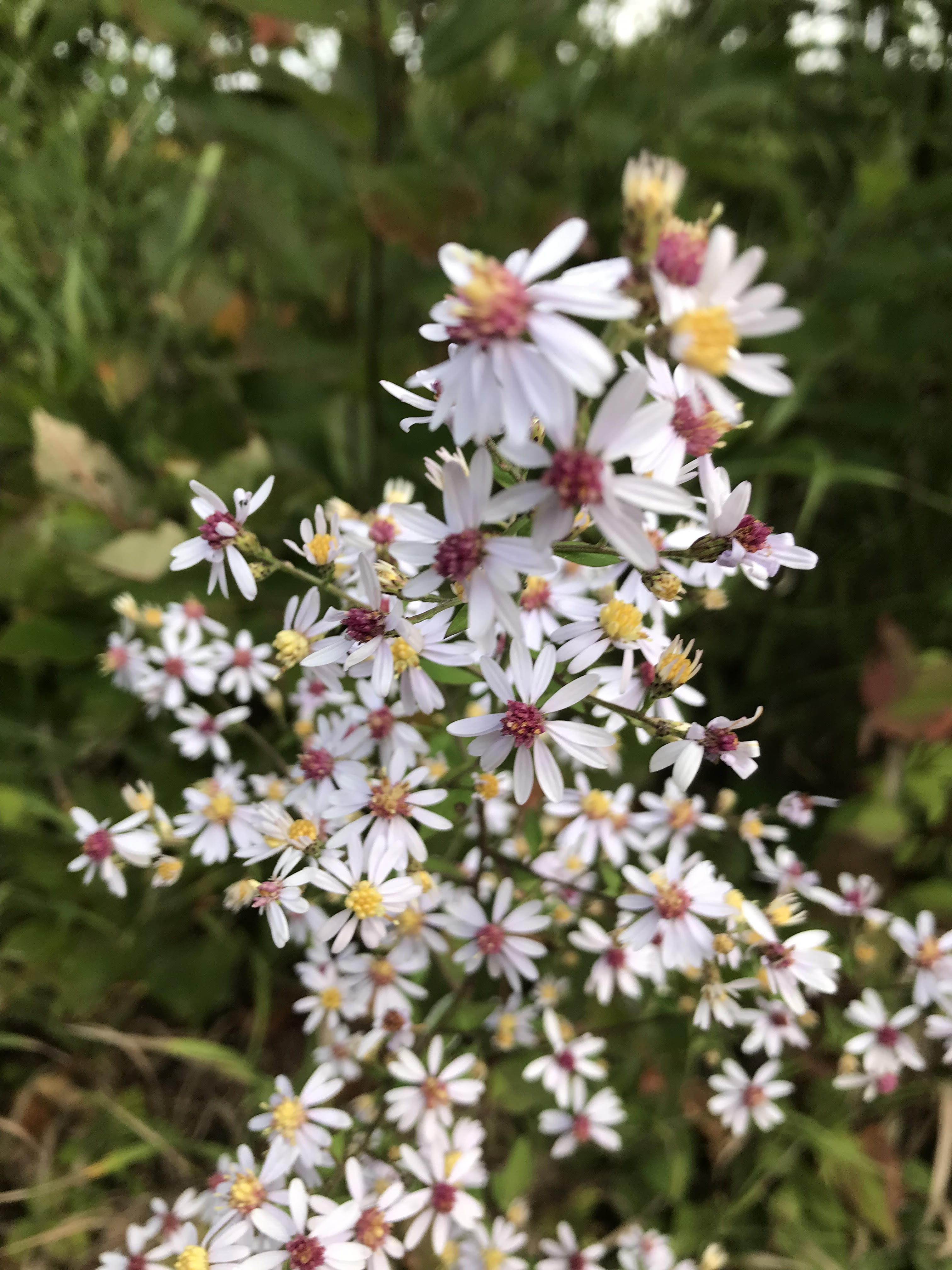
The first fall colours in Minden Hills are subtle — the purples and whites of wild asters blooming in September on the roadside, yellow goldenrod, the browns and beiges of forest fungi, green milkweed pods ripening. Not quite the splendor of traditional fall colours — of maple and other hardwoods we will see in October — but just as rich and diverse in their own way.

Kinross Creek is bone dry downriver of the two “check” dams built this spring. As the nights get longer with heavier dew, the creek should flow again soon, spilling into Ali’s pond with its stone semicircle smile. The creek is in the woods near the hydro corridor, about a 40-minute hike from our cottage.

I use the opportunity to wander along the dry creek bed, downriver to the edge of the valley, the spot where Kinross Creek transforms to a cascading waterfall when the snow melts each spring.

There are hundreds of stones of diverse shapes and sizes revealed in the dry creek bed today. For someone who likes working with stone, this is mecca.

A site for the next check dam presents itself. The top of a huge dead tree has fallen across the creek. When the water ran here earlier this year, the deadfall created a natural pond. But it also diverted the flow of the creek to the side, away from its original course. The remaining vertical tree stump is a sentinel, about 8-feet high, marking the spot.

So I start to pull away the fallen part of the trunk and limbs from the creek bed, to replace them with the next stone check dam. This stone feature will restore the original creek course and feed into Colleen’s pond just downriver.

The woods are still and cool — no bird song but for the occasional screech of a Blue Jay and coarse cry of a crow. The mosquitoes and blackflies that pestered me over the past few visits have vanished.

I mine maybe 25 stones from the dry creek bed and arrange them into the start of a one-rock-high check dam, following the contours of the original creek bed. After a few minutes, I realize my heart is thumping pretty fast — my stonework excitement seems to be giving me a cardio workout.

With the tree cleared and first stones in place, I start to head out, but stumble upon another small stone-pile in the forest. It’s not quite the motherlode, but will add 20 stones to this effort.

In the woods around here, even though I keep my eyes peeled for stones, it is often my feet that find them. When one sticks out of the forest floor to catch my foot, it is typically the tip of an iceberg of many stones — likely piled up by farmers who worked this area before the farm was abandoned.

Likewise, it is often my feet that find remaining relics of barbed wire fences strung perhaps 75 to 100 years ago. When a jagged piece of wire threatens to snare a human rambler, I bend it back out of harm’s way.

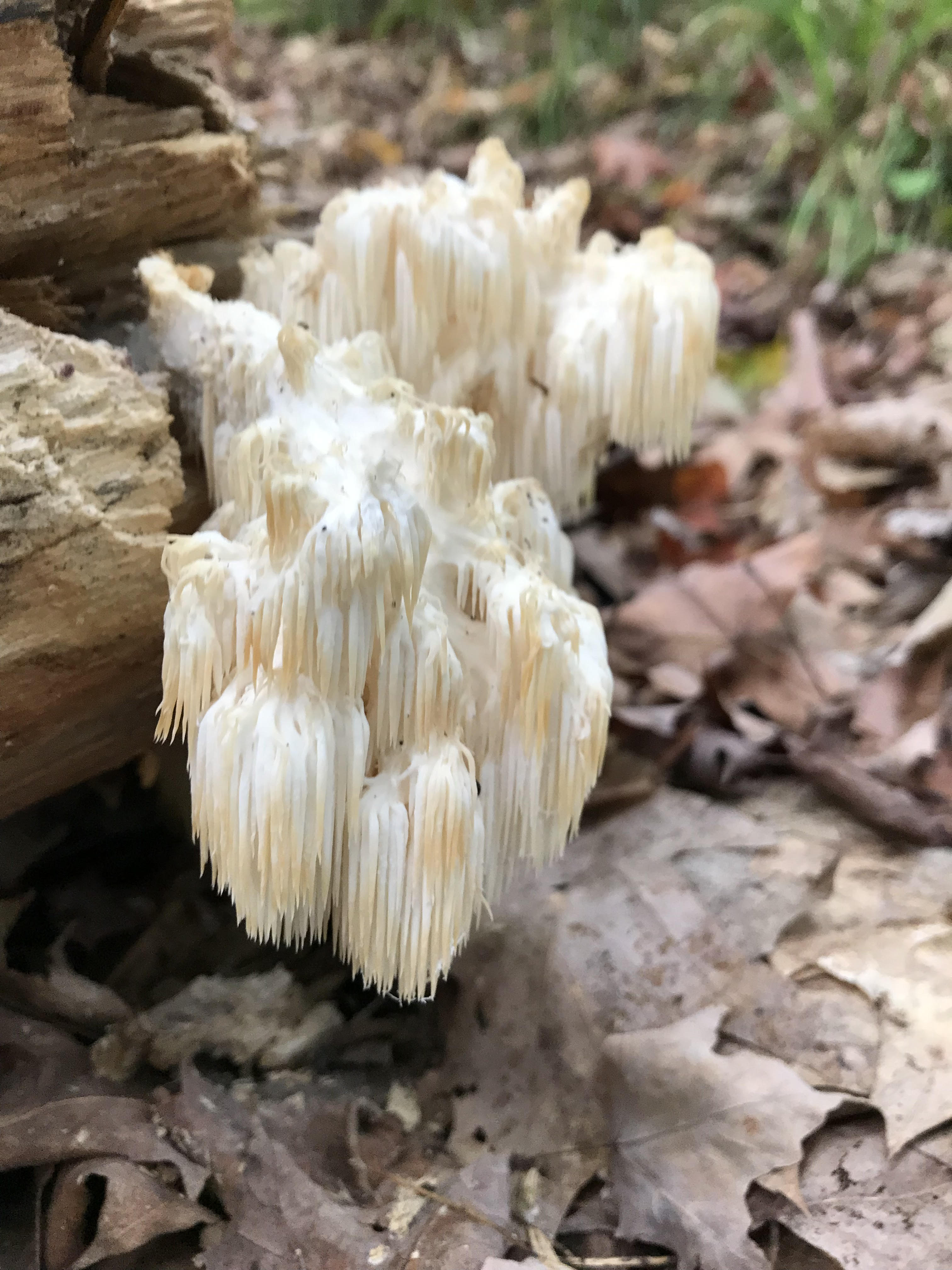
The cool weather and subtle colours of early fall make for a nice walk back, after the heat of mid-summer. I come upon a strange and splendid drooping fungi, hanging from the end of a log. Milkweed pods swell and will release their feathered seeds to fly away later this fall.

I’ll be back in October to check the creek flow and start work on the next pond.

Foraging stone for Ali’s pond

I’ve visited Kinross Creek several times since spring. Each passing month reveals a new chapter in the annual cycle of the little creek and the natural world around it.

— In April, the creek was gushing with spring run-off. Reaching a cliff downstream, it cascaded into a bigger stream feeding Minden Lake. In the surrounding forest, a hard pack of snow, criss-crossed with deer tracks, continued to melt after the long winter.

— In May, the creek ran strong as trilliums and wild leeks popped up around it. The plants were getting a brief moment in the sunshine before the hardwood forest spread its leafy canopy. The forest filled with the song of returning migratory birds, after their winter in the south.

— In June, Kinross creek was still burbling nicely. With about 50 stones gathered from an abandoned farm field nearby, I built my first one-rock-high check dam. It would direct and slow the water flow into an expanded small pond downstream.

— In July, the creek was slowing to a trickle. This afforded the chance to create a semicircle of stone, enlarging a natural pond — a stone smile in the forest. We’ll call this one Ali’s Pond after our oldest daughter, an adventurer now living half-way around the world in New Zealand.

These small so-called “check” dams are permaculture techniques often used in more arid areas to preserve water run-off. Permaculture may sound virtuous, but the best reward for me is mucking about with stone, augmenting the little creek in this watershed.

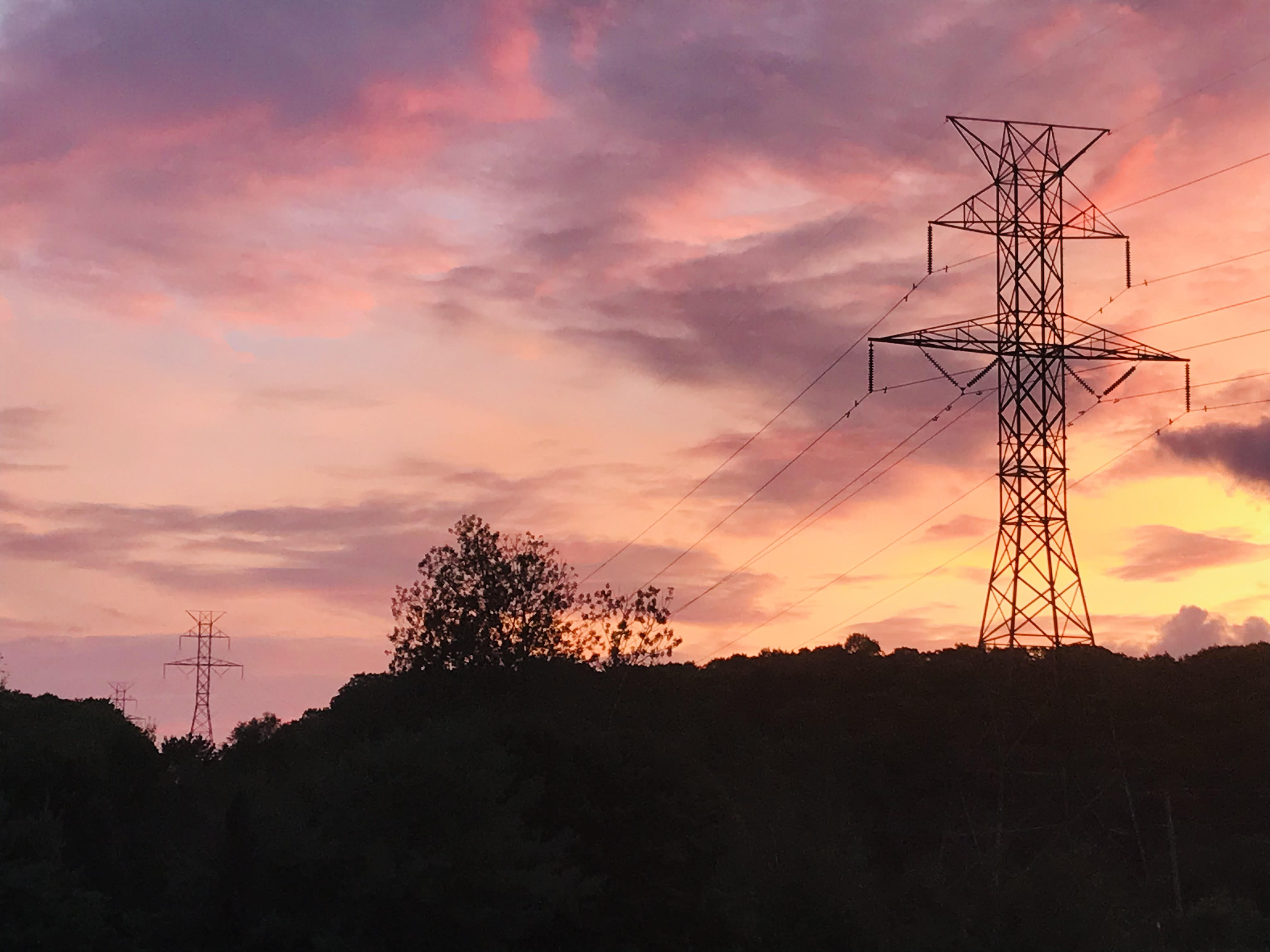
I was back at the creek just once in August. From our cottage, it looks tantalizingly close — near a hydro tower west of us. (In the photo below, you can see a second tower at left in the distance — that one is near Kinross Creek.)

In reality, it is a trek to get there. Once you leave the road, there is some bushwhacking through forest and a reasonably steep climb.

I discovered that the creek had partially filled my new pond, but barely flowed below it. To reinforce and shape the two check dams, I foraged for smaller stone in the stream bed to fill gaps in them.

Then I went on a treasure hunt. Years ago, the people who farmed this area moved stone off their fields into rough rows or piles. In my trips to Kinross Creek, I’ve stumbled upon several caches of nice stone. When I find a new cache, I know I can return to mine it later.

My August trip yielded about 25 more larger stones for the next pond downstream. That will be Colleen’s Pond, after our youngest.

Two months after the longest day of the year, the nights were longer, cooler and heavier with dew.

With some more rain, I expect the creek will start to run steadily again in fall.

Smile! — you’re at Kinross Creek

Late July, and the little creek is almost dry.

The stream had started to run in April with the melting snowpack, and was still gurgling nicely in late June. But despite some rain lately, this summer’s heat has slowed the creek to a trickle.

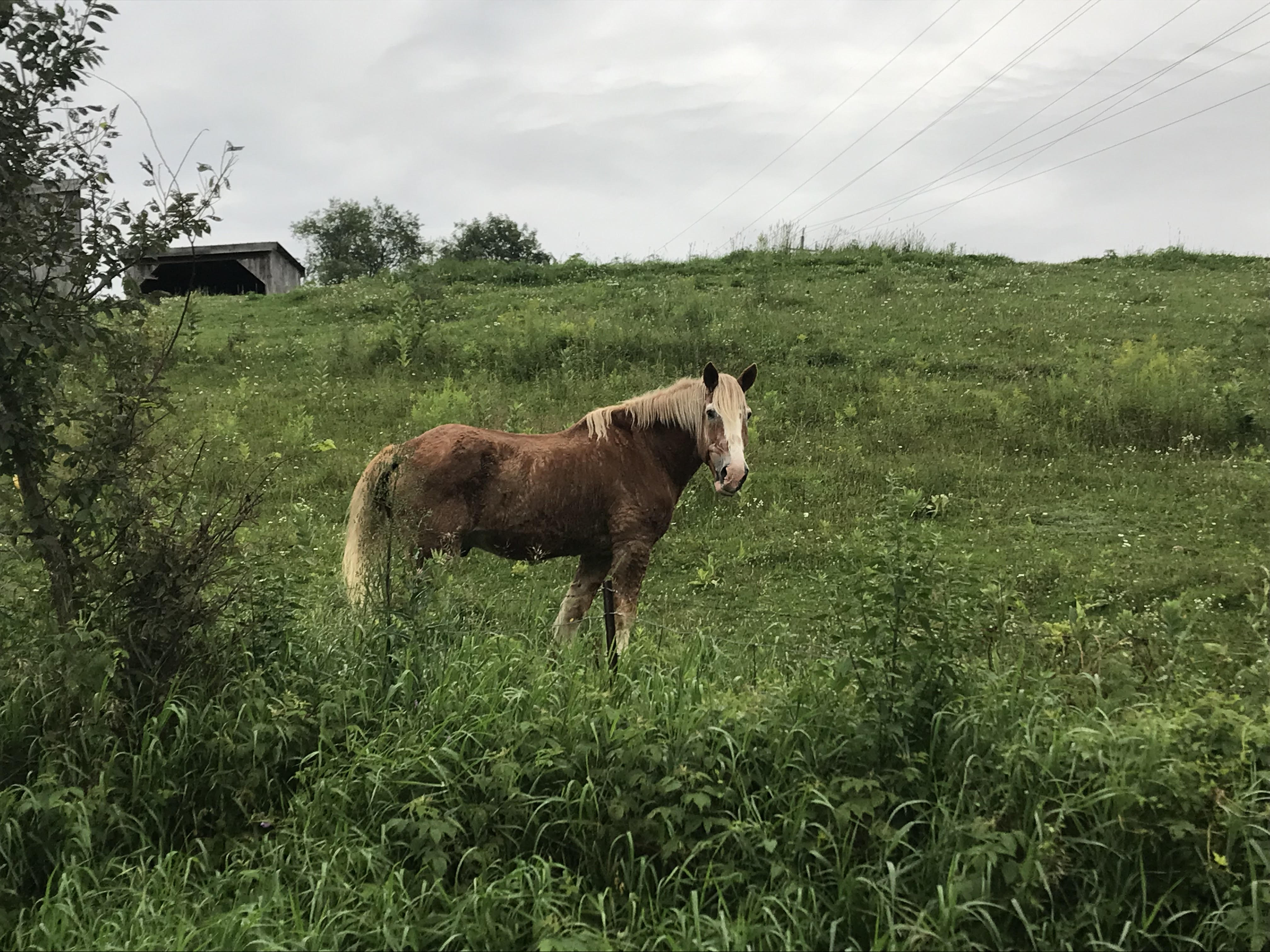
On my walk along Horseshoe Lake Road, an old draft horse looks up briefly from his grazing to greet me. Next time, I gotta bring an apple for him. Alongside an inlet of Minden Lake, a Great Blue Heron startles and takes flight with slow flaps of his long wings.

I cut off the road into the forest, and climb the hill under the hydro line. It’s maybe a 40-minute walk to get to this peaceful spot in the woods.

A feast for the Grackles

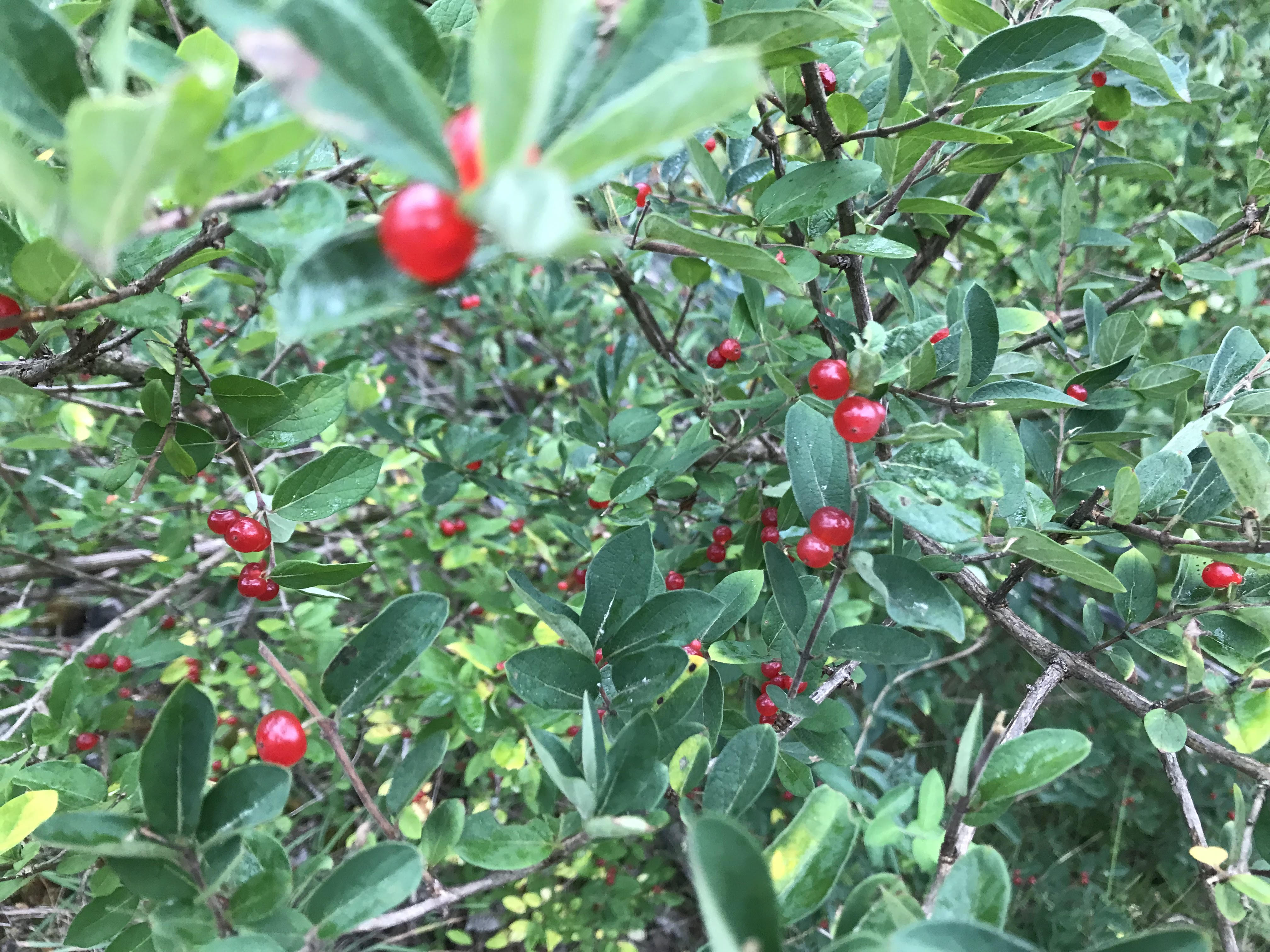
Chokecherries are ripening. My father-in-law once recalled making choke-cherry jelly, using liberal amounts of sugar to balance the bitterness of the berries. The birds in Minden Hills certainly like the tiny, red berries. The black Grackles have started to mass in bigger flocks now, and perform gymnastics on the berry bushes to obtain their treats.

The blackberry canes are also putting up this year’s crop — the long, spikey canes in the open area under the hydro line can easily rip your blue jeans, so I keep to the woods nearby, where the shade keeps the blackberries at bay.

Enlarging the pond

Today’s mission is to enlarge a little pond on the creek, using some stone I collected earlier in the season. A few dozen larger stones are placed to create a big smile — a semicircle dam.

In the middle of the dam, a couple of smaller rocks create a drain to direct the pond’s flow downriver over a splash pad of thin stones. Once the creek starts flowing fast again, I will be able to adjust the height of the pond by changing up the stones around the splashpad.

In the new dam, mossy-green pond stones mix and match with others collected from the edge of an abandoned farm field nearby.

I’ve mucked about with stone quite a bit, but these techniques are not my inventions; they come straight from some cool YouTube videos focusing on permaculture. In arid areas such as India and the southern US, check dams help retain water before it flows away quickly. Minden Hills is not lacking for water — at least so far — but I wanted to experiment to enlarge some existing ponds on the creek. Maybe the deer who crisscross this area will appreciate a new watering hole.

Upriver from today’s stonework, a smaller “one-rock-deep” dam checks the flow of the creek coming into the new pond site. It will be neat to see how both stone features built this year respond once the water flows faster, perhaps in late fall.

Some stepping stones would be nice too in future, to make it easier to cross the creek at this spot.

A drizzle begins to fall through the thick summer canopy of mature hardwood trees. Luckily, the walking stick I used to get up the hill this morning is also an umbrella — rain protection for the trip home.

Messing about with stone at Kinross Creek

To my surprise, Kinross Creek is still burbling on a visit in late June, 2023. I had suspected that this little creek, which carried away the spring run-off from a melting snowpack, would be dry by now. On the other hand, we’ve had a few periods of heavy rain lately.

The creek drains a mostly forested watershed north of Minden, Ontario, next to a hydro corridor and abandoned farm. It’s a green and peaceful place.

My goal today is to build a little “check dam” using about 50 stones I gathered on previous visits to the creek. These stone features are used particularly in arid climates to “check” or delay the flow of water in a creek or river.

Arid areas in places like India or Arizona sometimes get heavy rains, so a series of check dams can preserve some of the water before it runs off. The word “dam” is somewhat misleading, as these features delay water flow but do not stop it entirely like some dams.

Minden is not an arid place, although we’ve had spells of drought in summer. But I like messing about with stones. So thought I would try building a few check dams on my favourite little creek back in the bush.

Kinross Creek already features some small ponds created by deadfalls of trees, so my plan is to enhance those pond features by adding some local stone. There’s no shortage of stone in these parts: the first farmers spent a lot of time clearing stone and placing it in piles and rows so they could grow crops and pasture cattle.

Building a tiny dam — check!

One design I came across is called the “one-rock dam.” Another misleading title. The dam is in fact one-rock high, but built out of many rocks. And again, it’s not a dam, but more of a stone feature that checks the flow a bit as the water runs through it. The check dam also blends in with nature by following the contours of the existing creek bed.

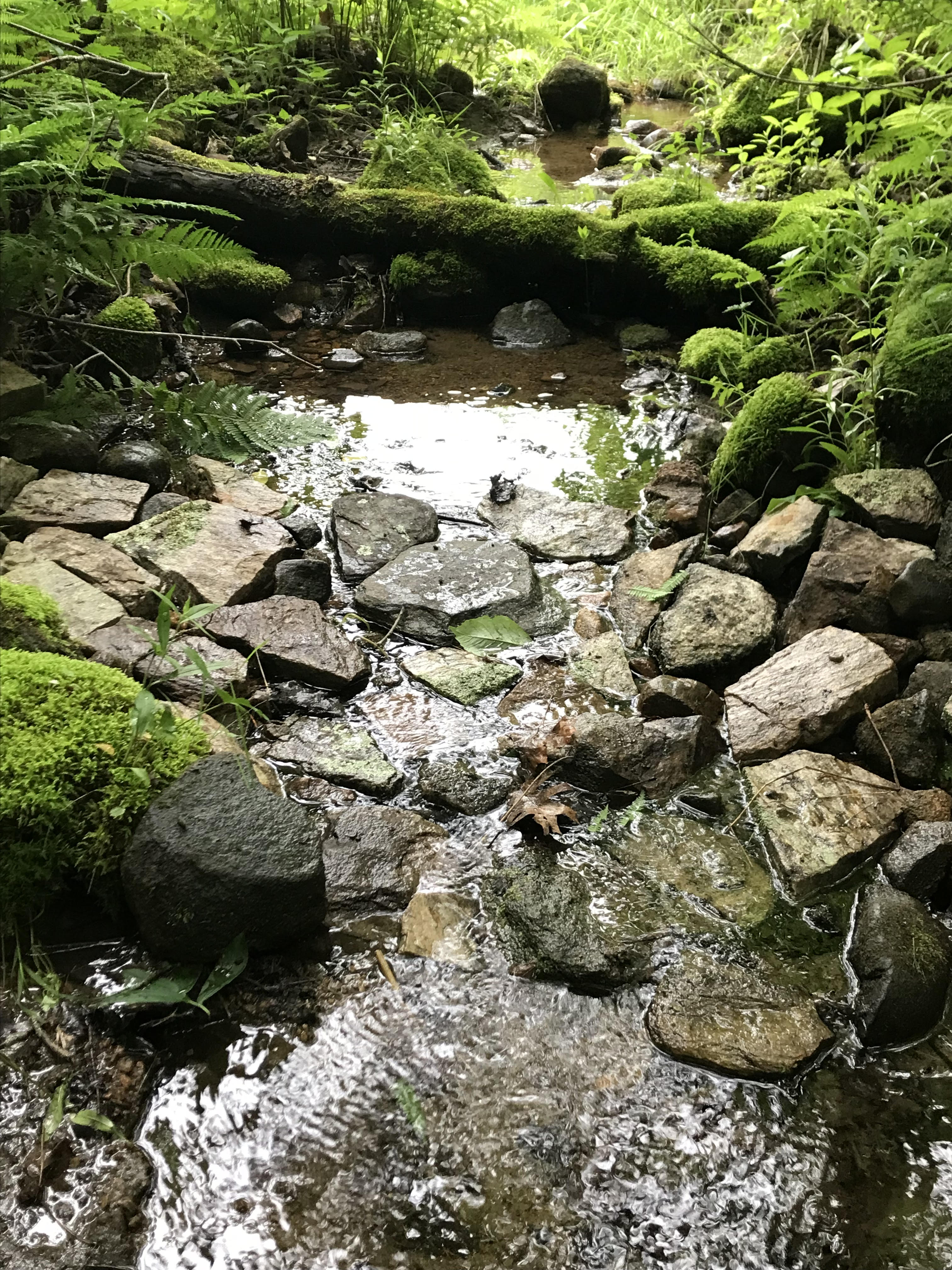
The first step is to place a few slim, flat stones in the centre of the creek. These will act as a splash pad, as most of the flow will be directed over them. Then I use progressively thicker stones to build out the one-rock dam upriver and to the sides of the creek. Finally, I use small stones to fill gaps in the bigger stones. I’m following methods of some folks from different parts of the world who have shared their one-rock-dam methods on YouTube, often under the permaculture theme.

I find myself placing stones with one hand and swatting away mosquitoes with the other. Above, a big crow is commenting on my work with his rough cry.

A crow commentary

Last time I was here in May, the forest was filled with birdsong. Today, there is just one black American Crow, high in the trees. Is he mocking me? Perhaps all the songbirds I heard before are napping now, or were just stopping here before on their migration north.

The creek seems to appreciate my efforts. The water gathers and flows through the centre of the stone feature, dancing around the stones along the way.

My next goal is to build a slightly bigger version of this check dam just downstream. If I get it right, this will create a small pond, with an overflow.

There are many deer in these parts, especially in winter. When snow was still on the ground in April, I saw their countless trails crisscrossing in the woods. So given there are rarely humans here, perhaps the deer will appreciate my pond. Maybe they’ll stop here to have a cool drink.

I’ll be back next month. If the creek has dried up by then, all the better for building the next little check dam at Kinross Creek.